
Tech Blog
Vitalify Asia Tech Blog
Engineering notes, product thinking and offshore development insights from the Vitalify Asia team.
70 articles



The Gundam Base Vietnam – Awakening an Old Passion
A 3D designer revisits Gunpla at THE GUNDAM BASE POP-UP WORLD TOUR in Ho Chi Minh City. From part separation and joint mechanics to tooling, injection molding, and mass production, this article explores Gunpla as a remarkable example of industrial and 3D product design.
Latest articles
 BIM
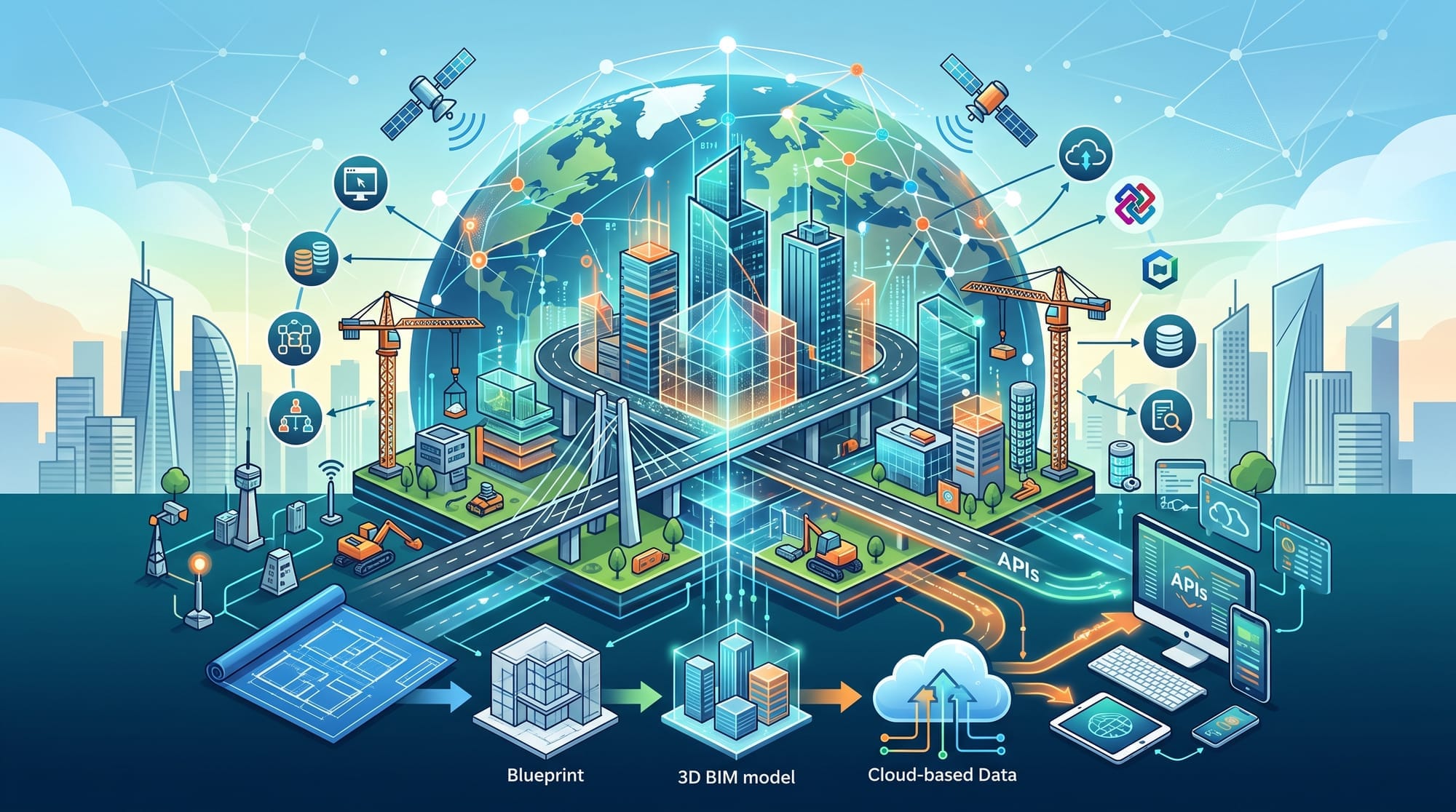
BIMThe Full Story of buildingSMART, the Command Center of openBIM — From Its Origins and Relationship with Autodesk to the Future of IFC5
A comprehensive guide to buildingSMART International, from the IAI era and openBIM to IFC4.3, IFC5, bSDD, BCF, IDS, OpenCDE APIs, GeoBIM, digital twins, and key open-source tools. Learn how open standards are reshaping interoperability and data sovereignty in construction.
 Business & Culture
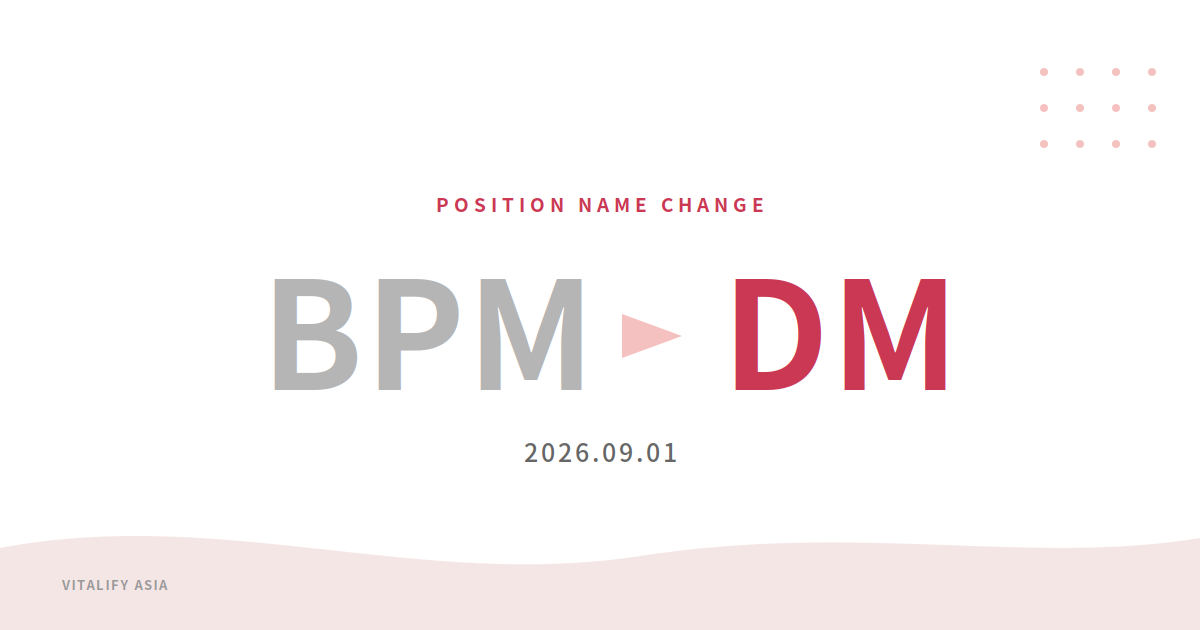
From “BPM” to “DM”: We’re Changing the Role Name Starting September 1
From September 1, 2026, Vitalify Asia will rename BPM (Bridge Project Manager) to DM (Delivery Manager). This article explains why the role is changing, what DMs own, how PoC, MVP, and iteration shape delivery, and how VFA’s AI Foundation supports speed and quality.
 AI Development
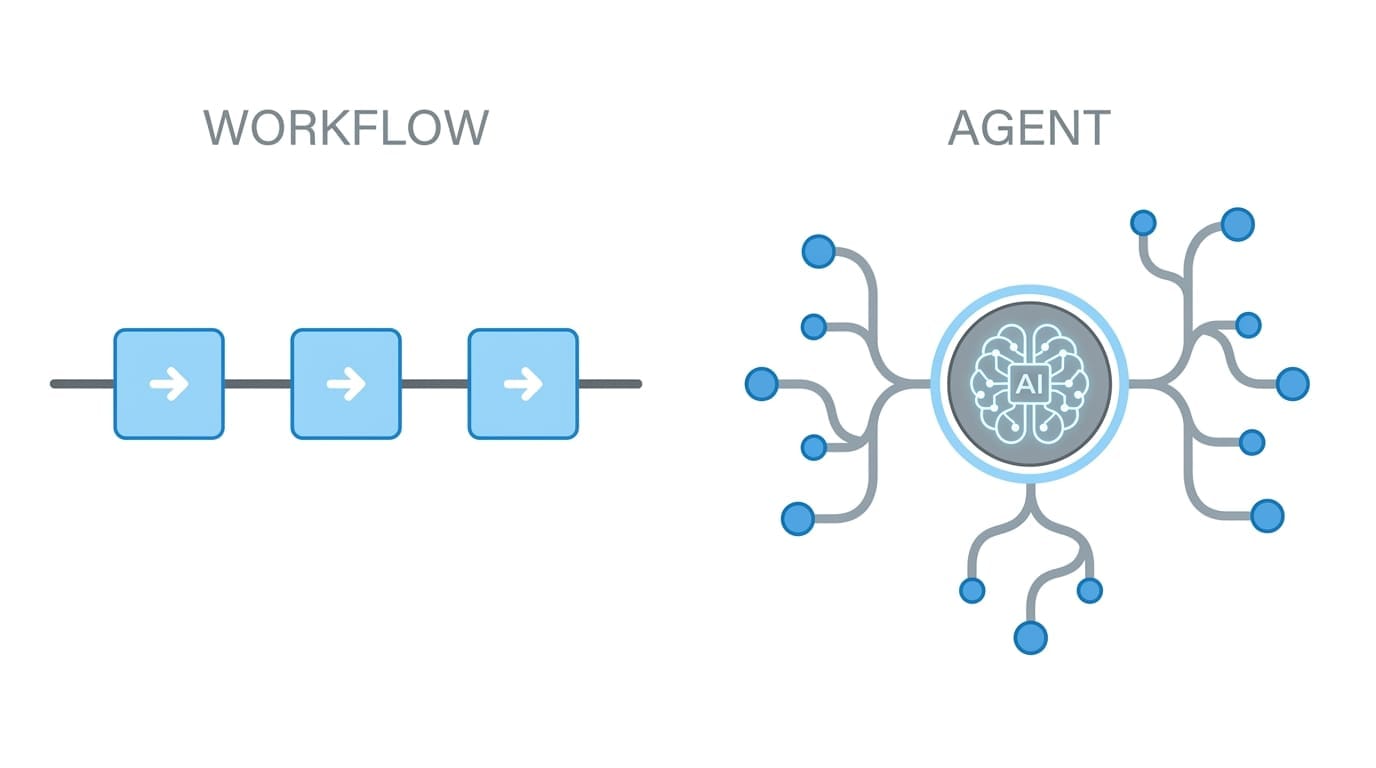
How to Think About LLM Workflow Design | More Tasks Than You Think Do Not Need AI to Decide What to Do
A practical guide to designing multi-step AI systems. Learn the difference between fixed LLM workflows and AI agents, how step boundaries enable retries and testing, how to handle waiting and idempotency, and why a hybrid workflow-plus-agent architecture often works best.
 BIM
BIMWhat Is ISO 19650? An Overview of the International Standard You Should Know in the BIM Era and Its Benefits
A practical introduction to ISO 19650, the international standard for BIM information management. Learn its history, six-part structure, the roles of CDE, EIR, BEP and AIM, and how standardized information workflows can reduce rework, improve handover, and support collaboration.
 Digital Twin
A Highly Practical Guide to Digital Twins Through the International Standard ISO 23247
A practical guide to ISO 23247 for manufacturing digital twins. Learn the definition, architecture, OME data models, network design, digital thread and twin composition, plus a NIST five-axis CNC implementation and lessons from real-world research.
 AI Development
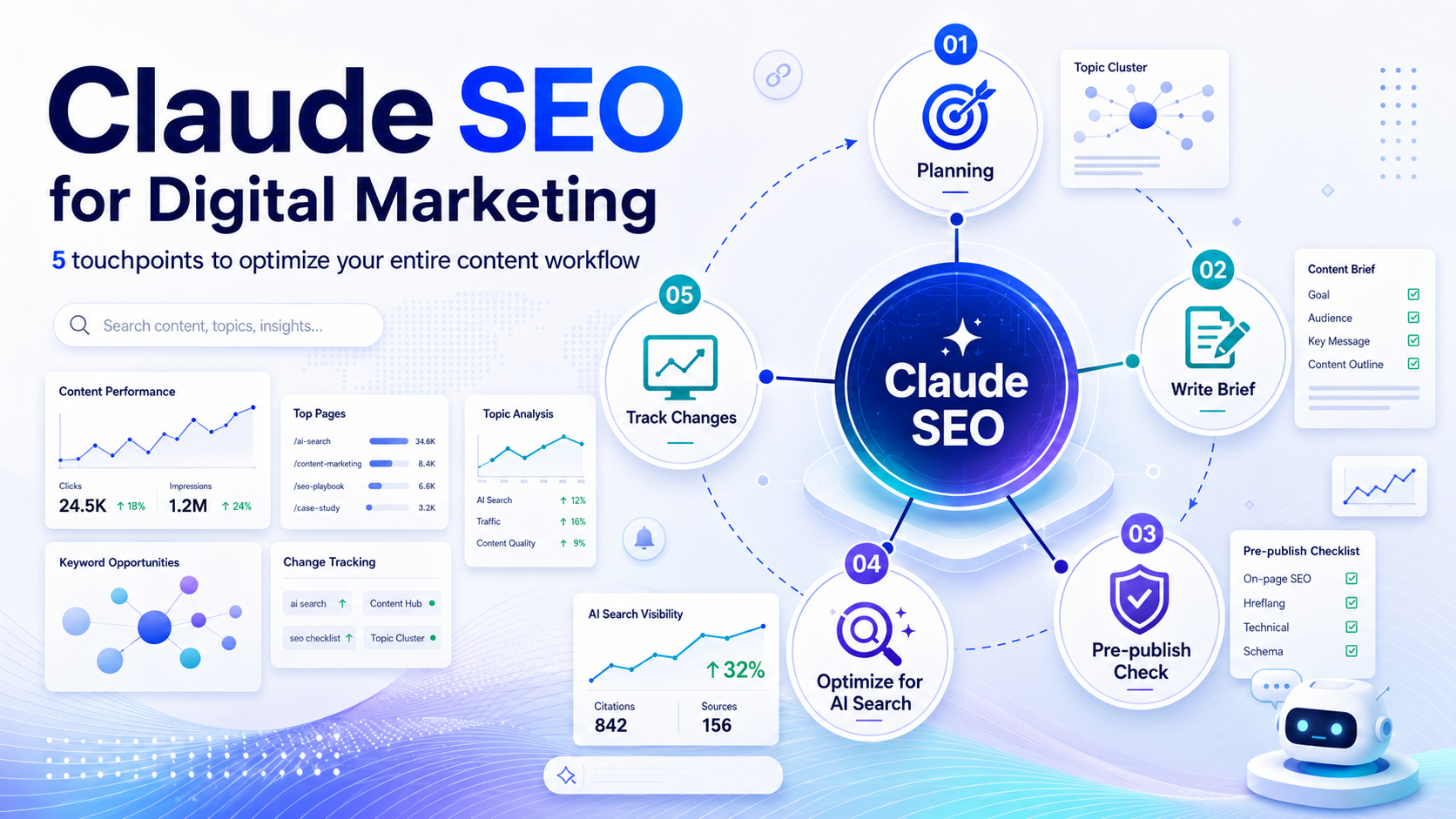
Claude SEO for Digital Marketing: 5 Touchpoints That Optimize Your Entire Content Workflow
Claude SEO is a third-party, open-source SEO toolkit for Claude Code. Explore five practical integration points—content planning, brief creation, pre-publish QA, AI search readiness, and post-publish monitoring—and learn where human marketing judgment remains essential.
 AI Development
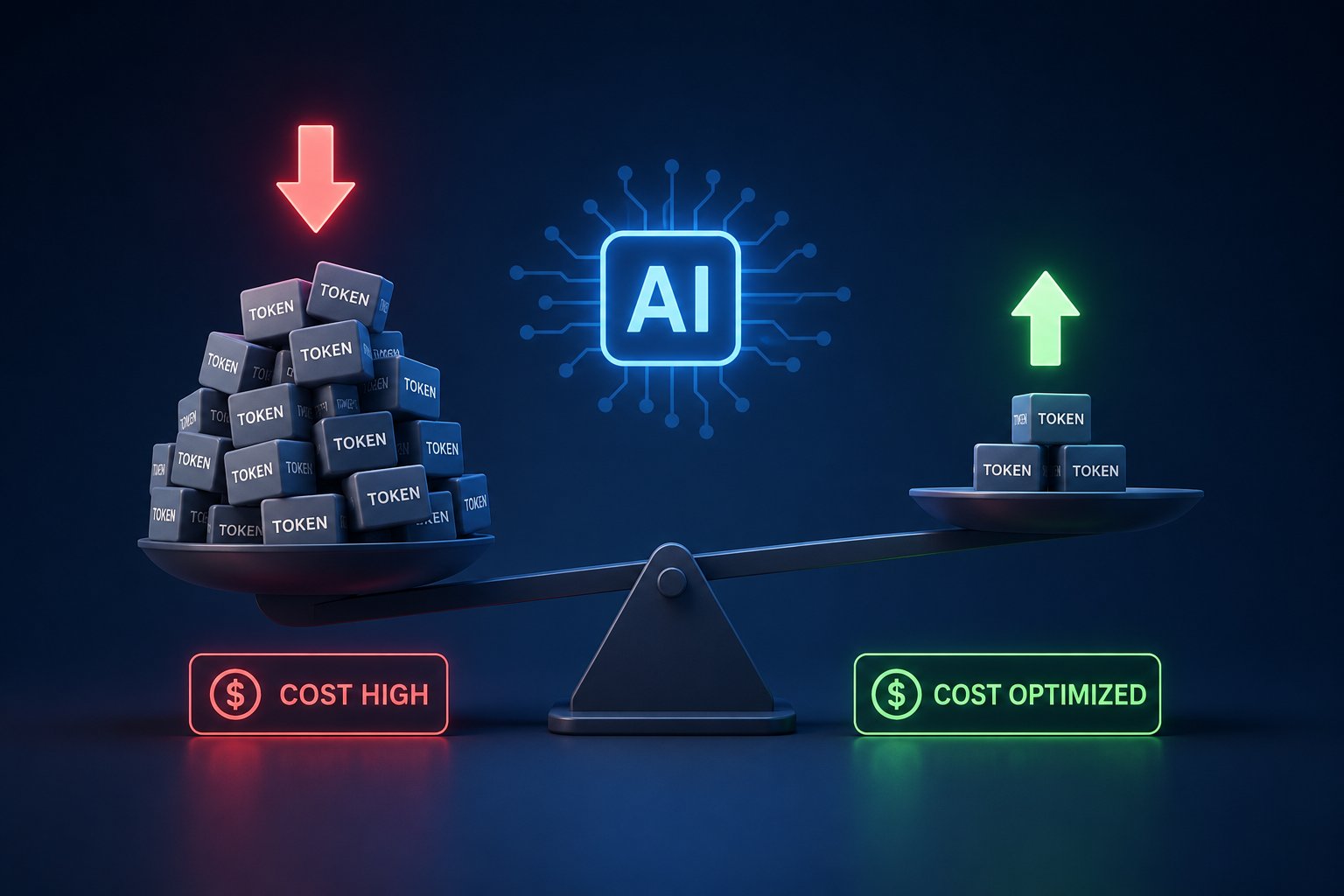
AI API Token Optimization: Cut Costs
A practical guide to AI API token optimization. See how conversation history, RAG documents, tool outputs and response length were reviewed to reduce input tokens from about 8,000 to 1,600 while preserving the information needed to answer users.
 Digital Twin
What Is a Digital Twin? A Complete 2026 Guide to How It Works, Its History, Use Cases, and Differences from the Metaverse and Simulation
A practical guide to digital twins covering their history, architecture and use cases in manufacturing, cities, construction, healthcare and aviation. It also explains how they differ from simulations, the metaverse and CPS, and why effective twins do not always require 3D graphics.
 AI Development
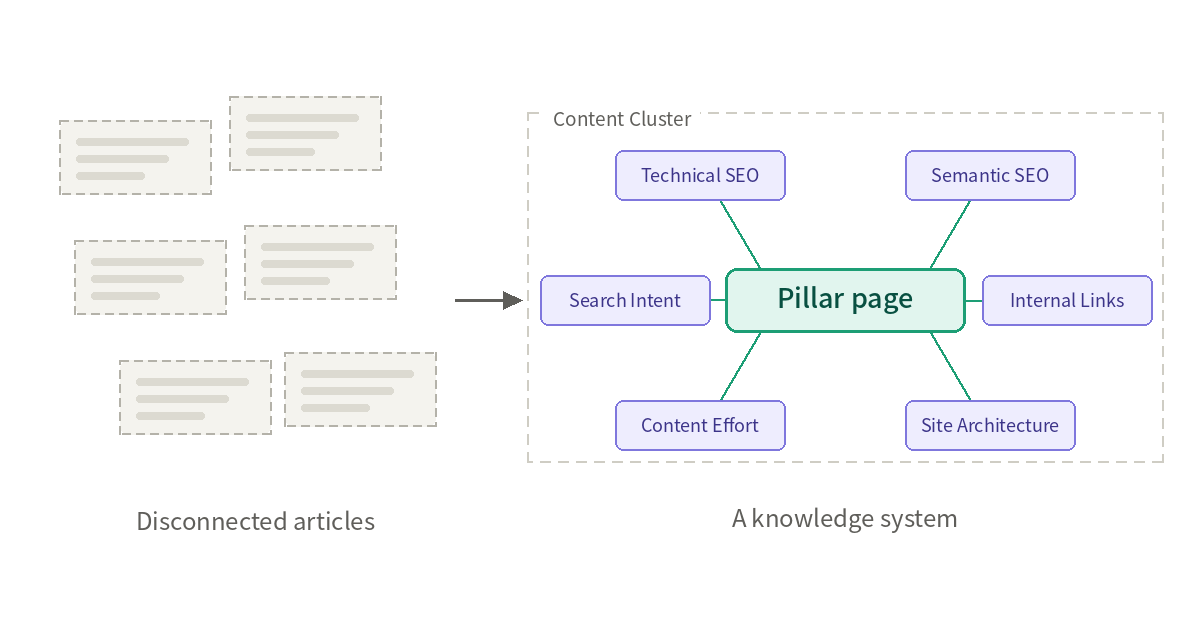
SEO in the Age of AI Search: Build a Knowledge System, Not Just More Articles
Publishing more articles does not automatically build authority. This guide explains how topical coverage, semantic SEO, original value, content cannibalisation management, internal links and site architecture work together to create a coherent knowledge system for AI-driven search.
 AI Development
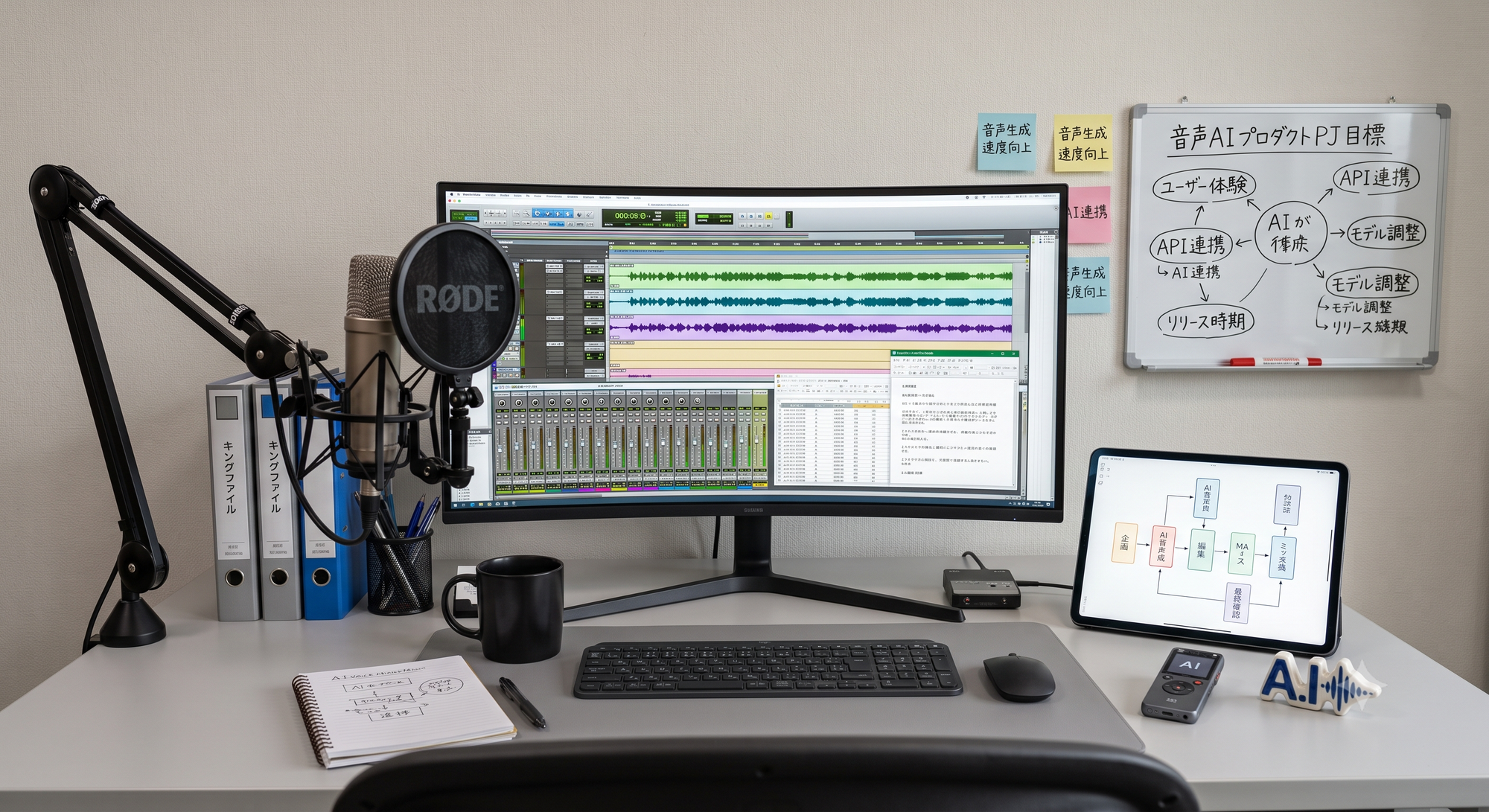
AI Voice Production: 5 Best Practices
AI voice content uses two AI stages: script generation and text-to-speech. This guide explains how to test predefined voices, turn subjective feedback into requirements, manage versions, prioritize trade-offs, run group listening sessions and use post-processing to stabilize quality.
 AI Development
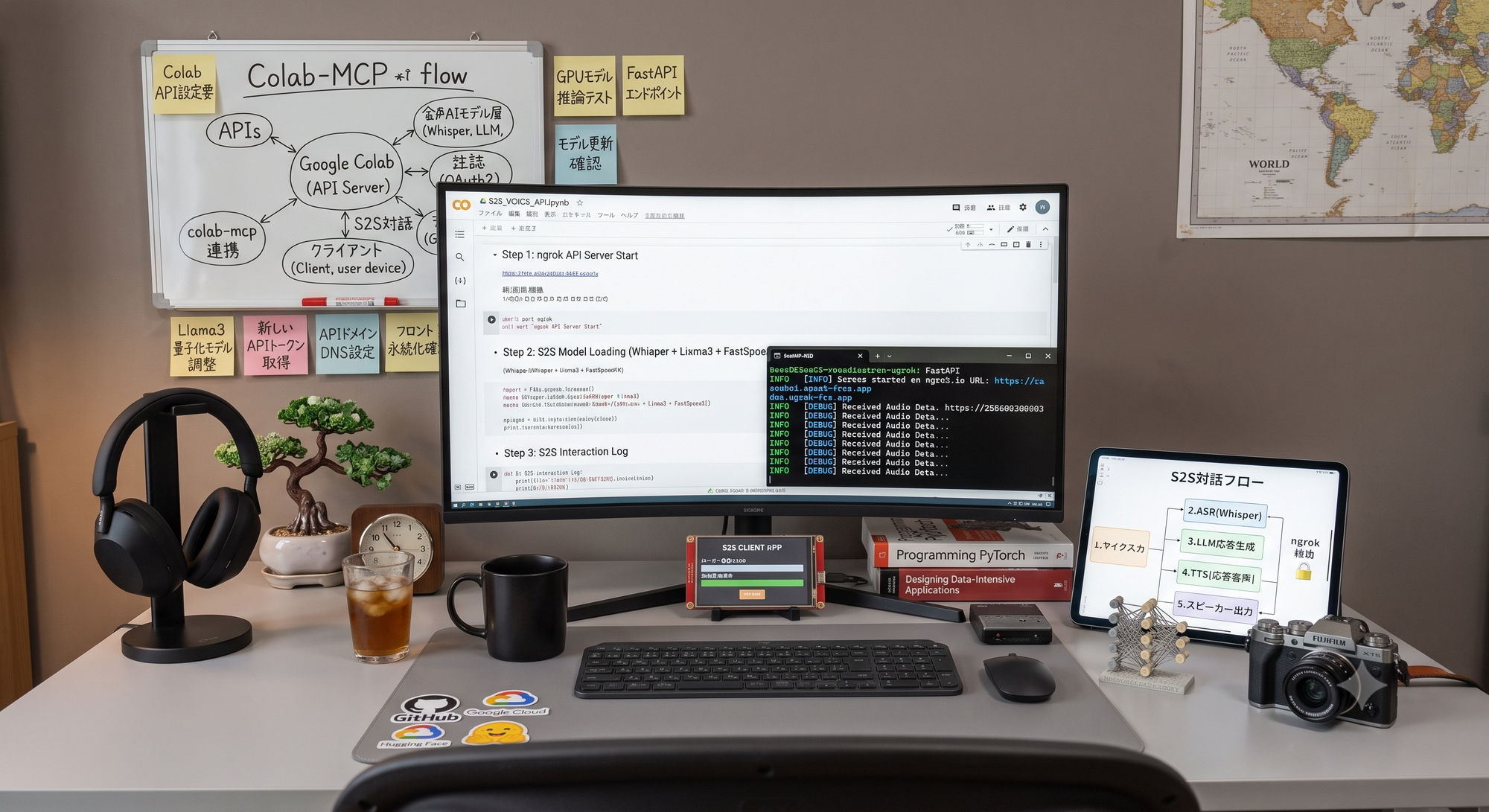
Turning Google Colab into an API Server to Run Speech-to-Speech Voice AI
This PoC turns Google Colab into a temporary WebSocket server for speech-to-speech AI. It combines faster-whisper large-v3, Gemini 2.5 Flash-Lite, VOICEVOX and Silero VAD, then improves latency through sentence buffering, streaming responses and parallel TTS generation.
