
Featured topics
Topic 3D
25 articles


 3D
Understanding 3DGS, Part 2: How Is 3DGS Different from Photogrammetry?
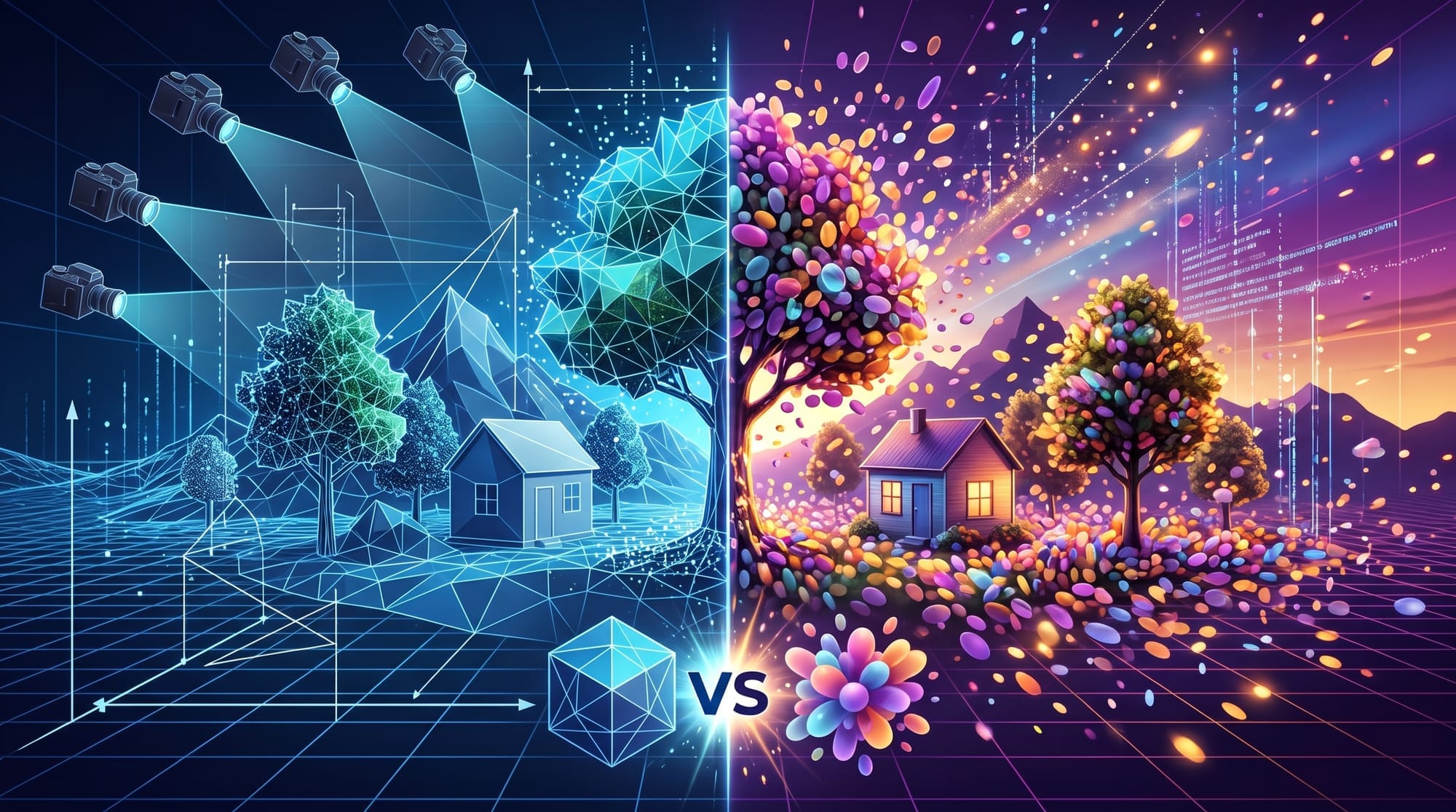
3DGS and photogrammetry both reconstruct 3D scenes from multiple photos and share key SfM steps. This article explains where they diverge: photogrammetry continues to MVS, dense point clouds, meshes, and textures, while 3DGS optimizes Gaussians to reproduce photorealistic views.
 3D
Understanding 3DGS, Part 1: How Is 3DGS Different from Traditional 3D Modeling?
3DGS reconstructs real-world scenes with large numbers of Gaussians, while traditional 3D modeling uses meshes, textures, and materials. This article explains how the two approaches differ, where each works best, their limitations, and how 3DGS may change the way real spaces are digitized.
 3D
Understanding 3DGS, Part 0: How Do Photos Become 3D? — 170 Years of Trial and Error
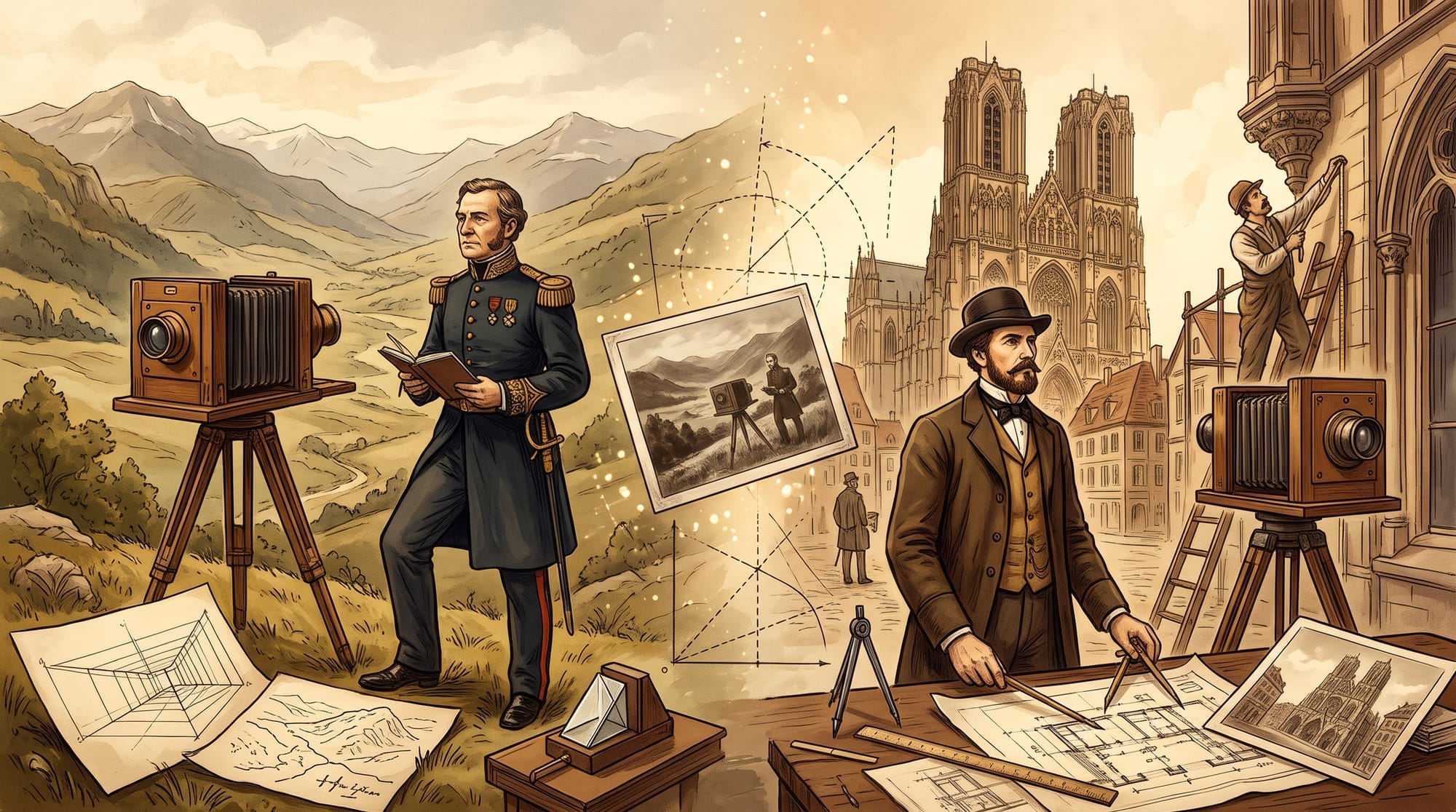
How did photos become 3D? This article traces the evolution from 19th-century photogrammetry and stereo vision to SfM, MVS, NeRF, 3D Gaussian Splatting, and 2DGS, explaining how photography evolved from a recording medium into a tool for reconstructing and revisiting real-world spaces.
 3D
Lost in the Majestic Underground: When the Entire World of Caves Fits Within Your Sight
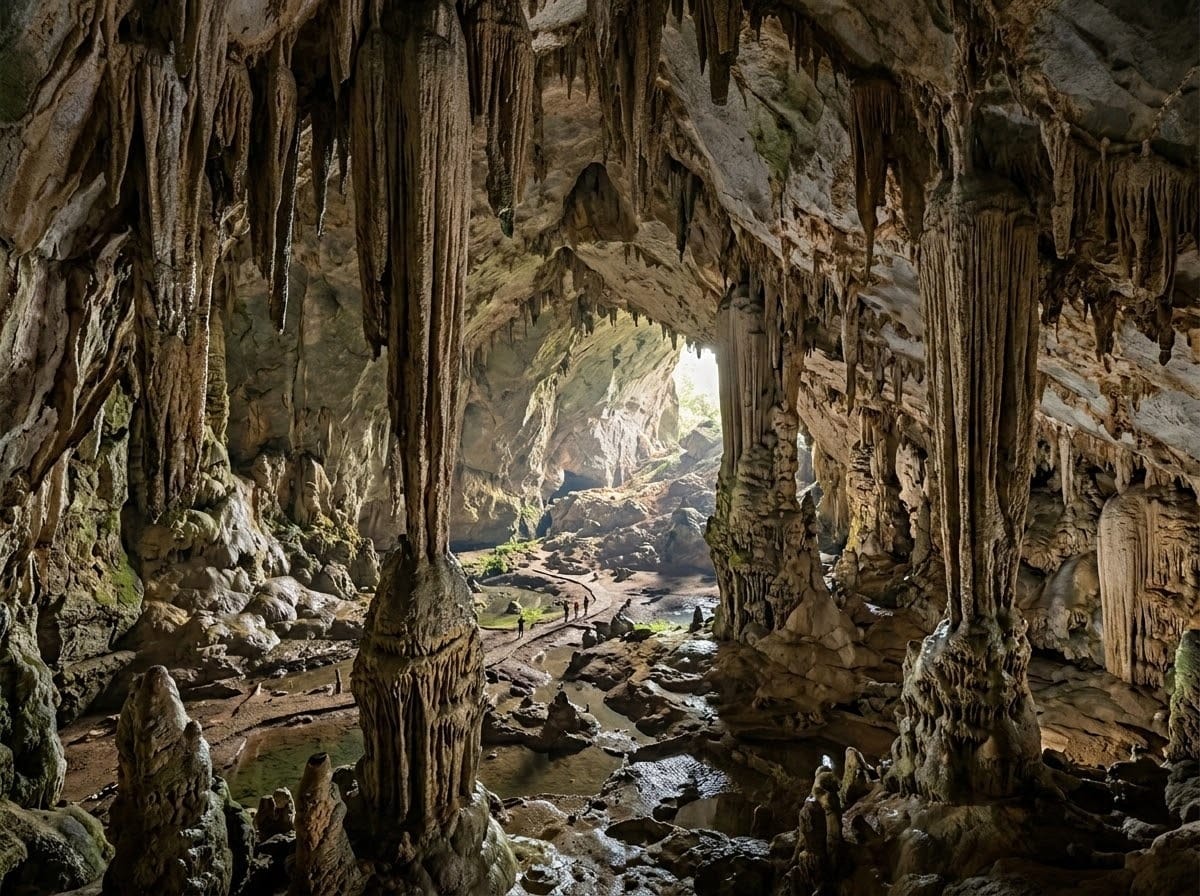
Cave Explorer turns real cave scans into an interactive web experience using point clouds, 3D Tiles, LOD, and real-time rendering. This article explains the data pipeline, browser performance challenges, remote exploration, digital heritage use cases, and future features.
 3D
The Gundam Base Vietnam – Awakening an Old Passion
A 3D designer revisits Gunpla at THE GUNDAM BASE POP-UP WORLD TOUR in Ho Chi Minh City. From part separation and joint mechanics to tooling, injection molding, and mass production, this article explores Gunpla as a remarkable example of industrial and 3D product design.
 Digital Twin
What Is a Digital Twin? A Complete 2026 Guide to How It Works, Its History, Use Cases, and Differences from the Metaverse and Simulation
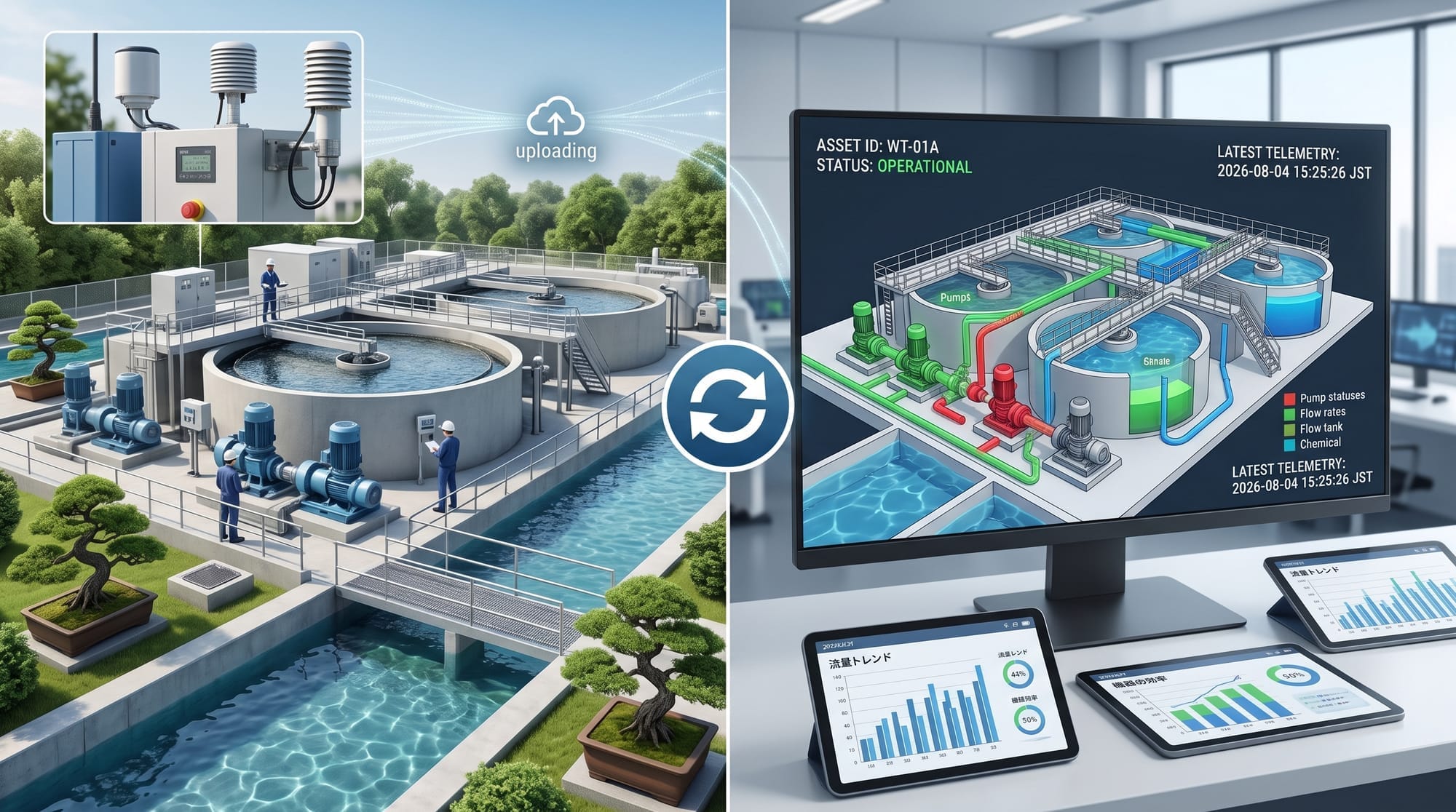
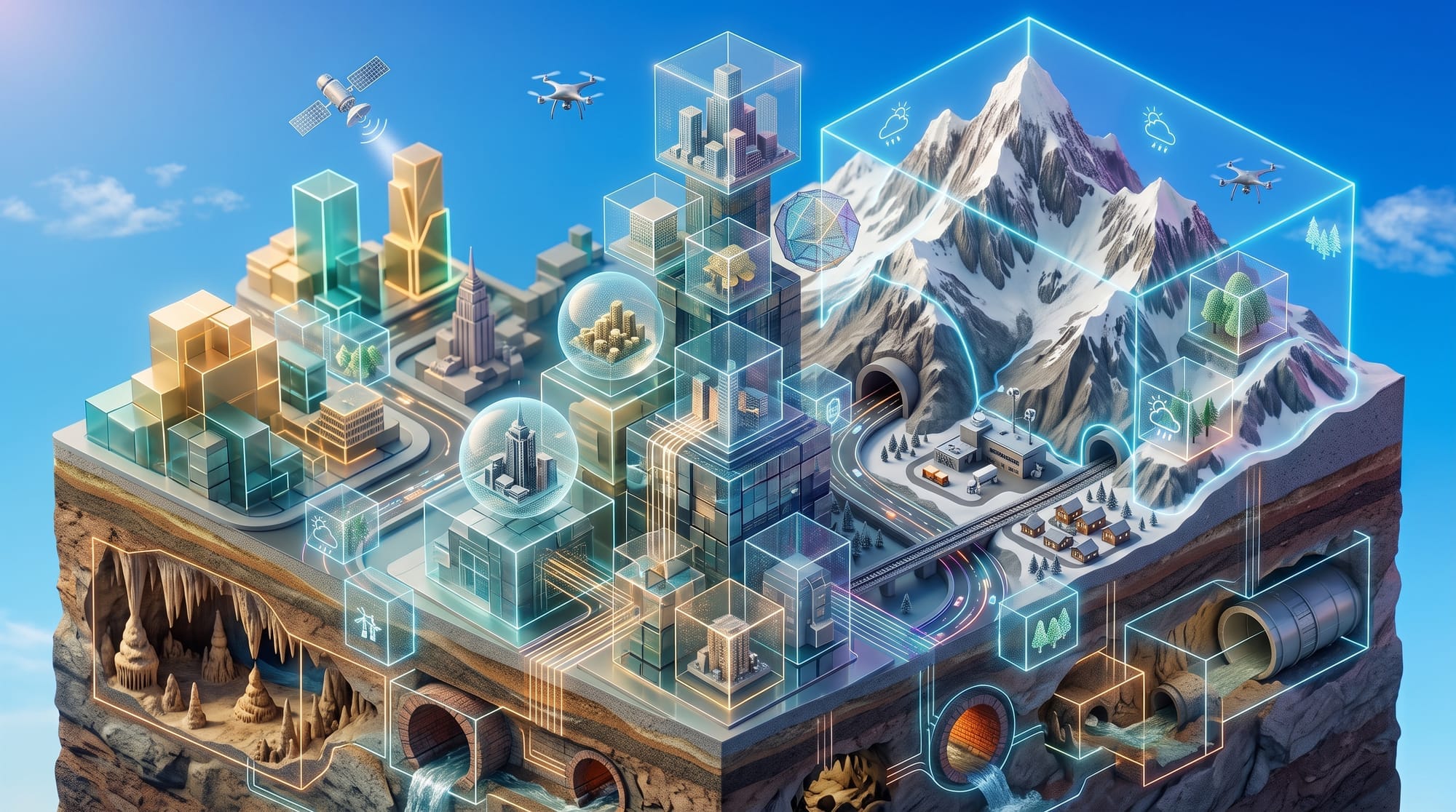
A practical guide to digital twins covering their history, architecture and use cases in manufacturing, cities, construction, healthcare and aviation. It also explains how they differ from simulations, the metaverse and CPS, and why effective twins do not always require 3D graphics.
 3D
What Is 3D Tiles? A Complete Guide to Its Core Concepts, Latest Trends, and Use Cases
3D Tiles is an open standard for streaming massive 3D geospatial data. This guide explains HLOD, bounding volumes, tileset.json, differences between versions 1.0 and 1.1, use cases including PLATEAU and Google Photorealistic 3D Tiles, and independent LOD control in CesiumJS.
 AI Development
7 AI Image-to-3D Generators I Tested in 2026: Which One Is Actually Worth Using?
Using the same portrait and default settings, we tested Prism 3.1, Meshy 6, Tripo P1, Hunyuan3D, Forge, Trellis 2 and Rodin 2.5. See how they compare in facial similarity, texture, hair, clothing and mesh quality, plus which tools work best for realism, game assets and further editing.
 Product Development
GLB Texture Editor: Edit 3D Model Textures and Materials in Real Time in Your Browser
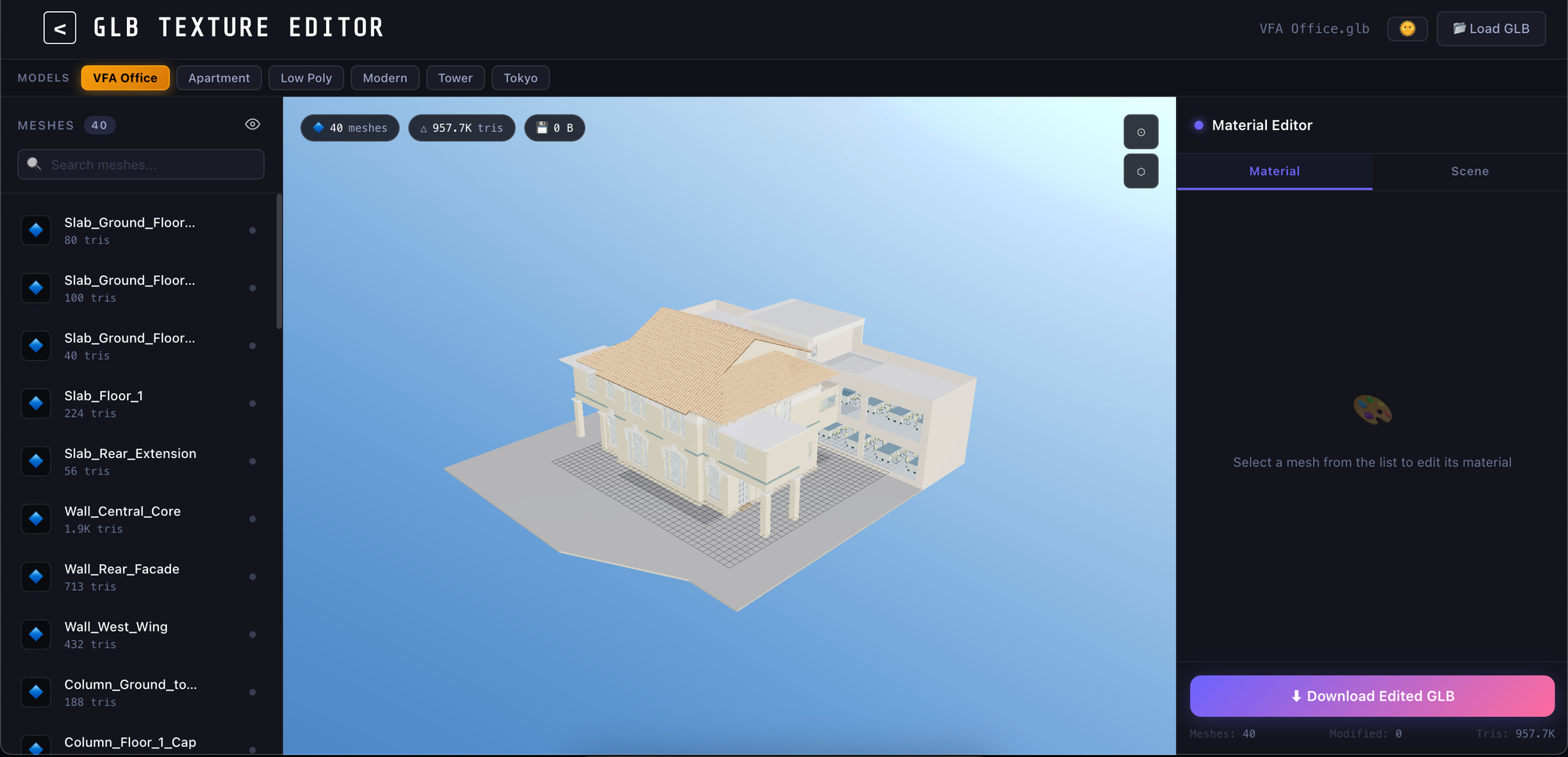
GLB Texture Editor is a browser-based tool for editing 3D model textures and materials in real time. Upload a GLB file, adjust base color, roughness, metalness, transparency, UV mapping, position, rotation, scale, and projection settings, then preview and export the updated model.
 Digital Twin
High-Performance Web BIM Viewer for Large IFC Models
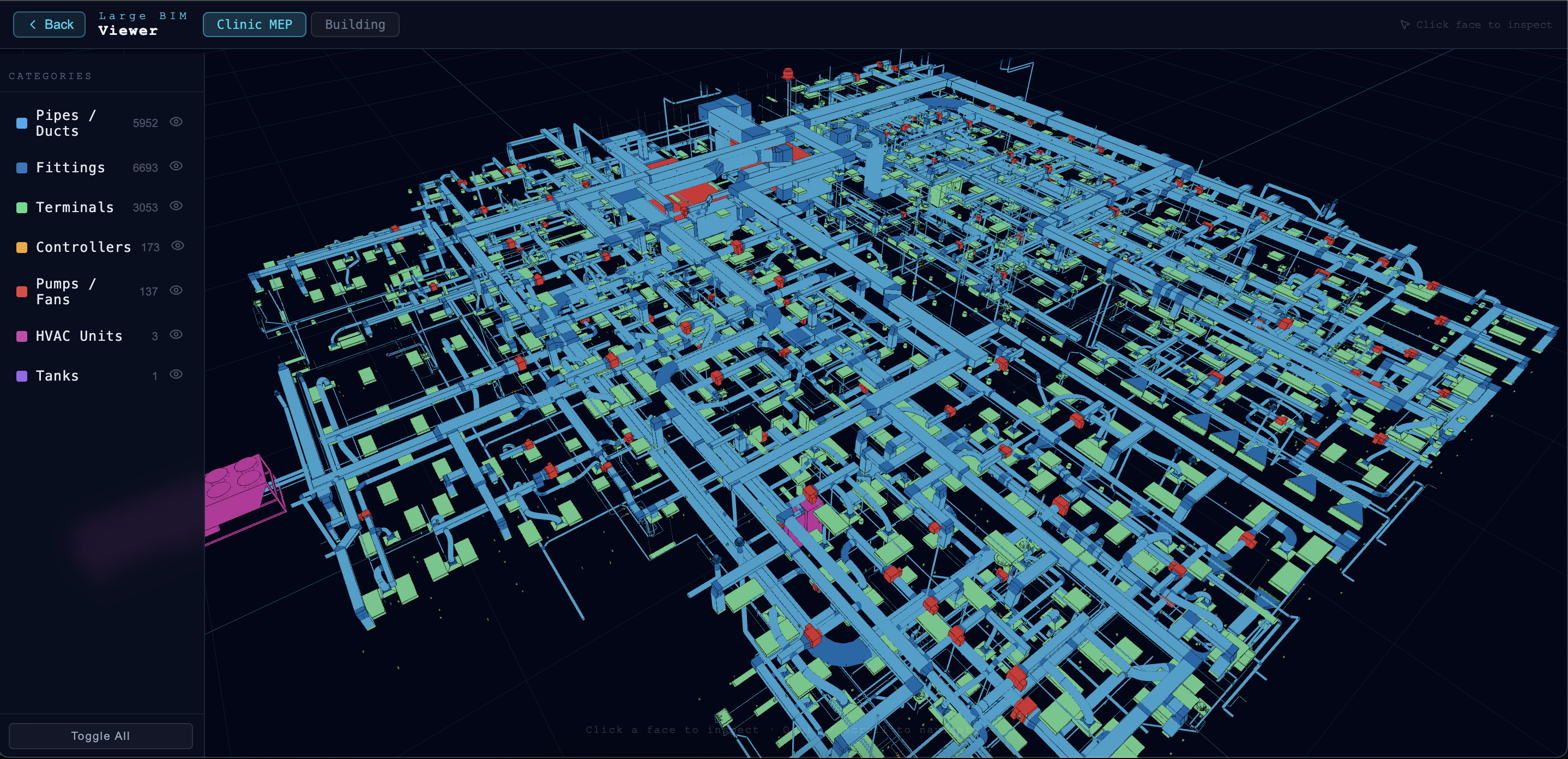
This PoC converts large IFC models into optimized GLB files by BIM category for faster browser rendering. It demonstrates flexible layer controls, element data panels, smooth 3D navigation, and reduced z-fighting, while outlining a future automated IFC-to-GLB workflow.
 AI Development
Automatically Generate 3D Models by Inferring Noisy Floor Plans! A Challenge in CubiCasa5K Analysis and Reverse Engineering
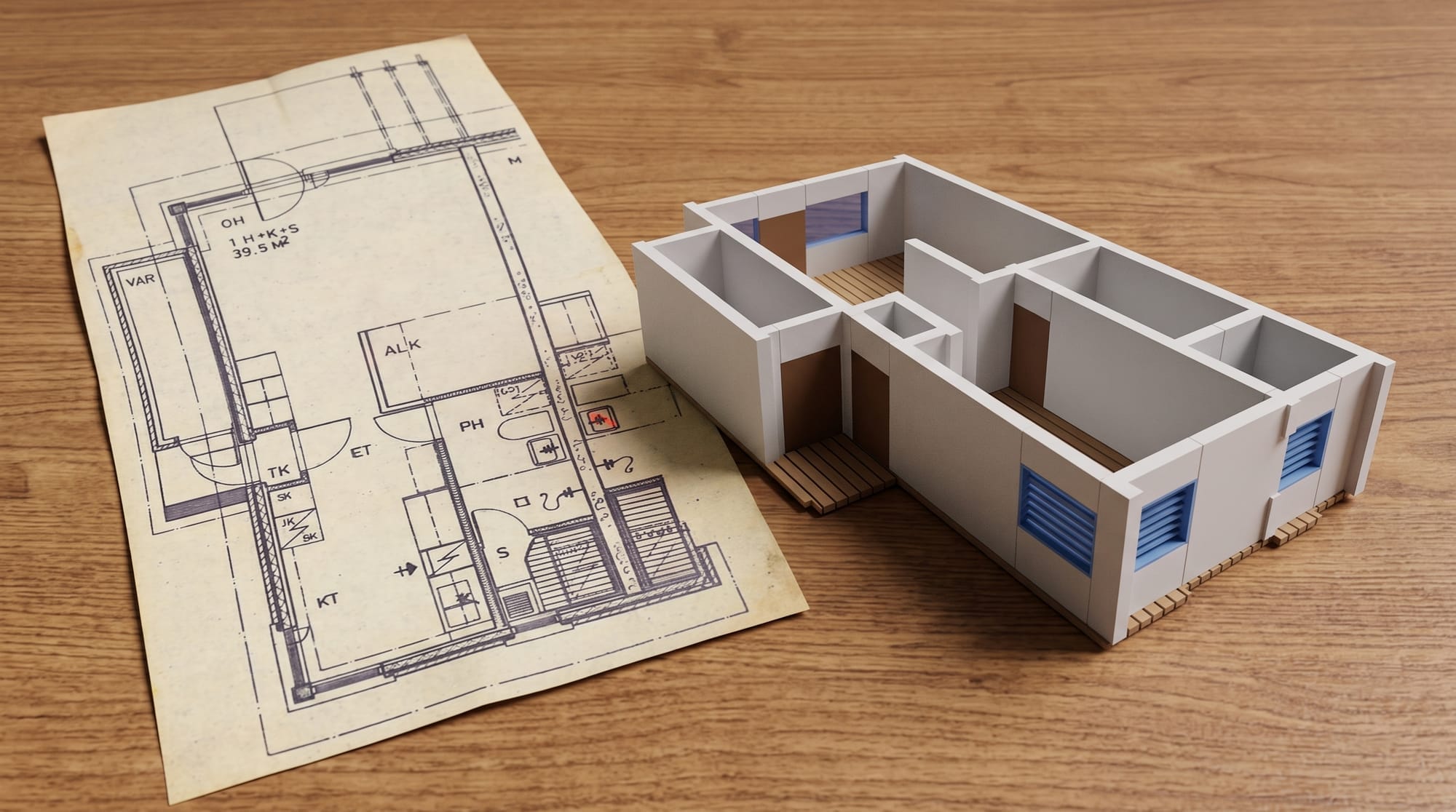
Using only floor plan images and SVG annotations—and without reading the official paper or code—the author reverse-engineered CubiCasa5K. The article covers semantic segmentation, random-rotation augmentation, inference of an incomplete sauna door, and conversion of the final result into a 3D model.
 AI Development
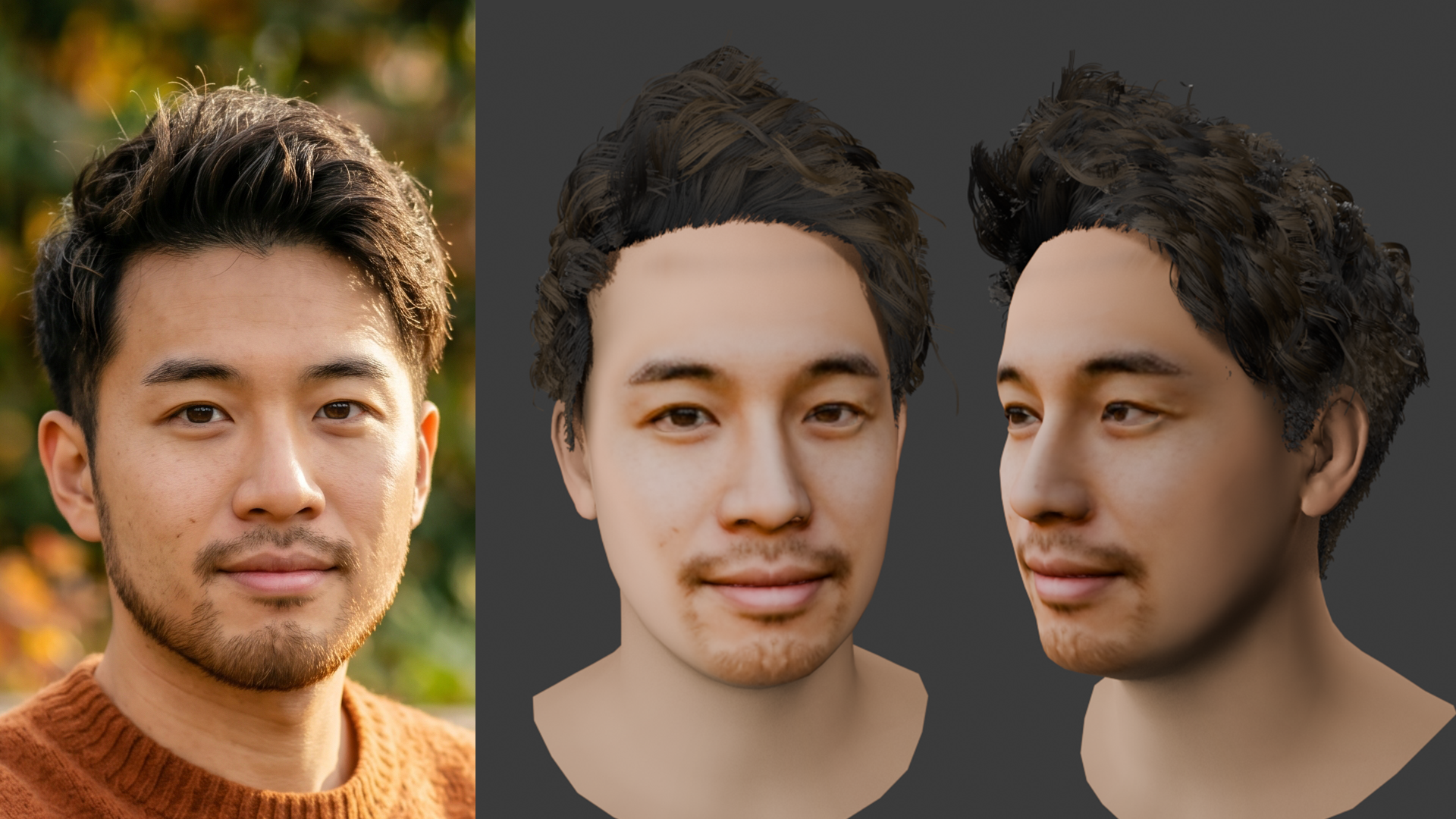
3D Avatar from One Photo with FLAME, DECA and DiffLocks
From a single face photo, we tested a workflow for creating a realistic 3D head and natural-looking hair using FLAME, DECA and DiffLocks. This article covers the process, results, texture issues, hair generation challenges and license notes.
