
Featured topics
Topic AI Development
45 articles


 AI Development
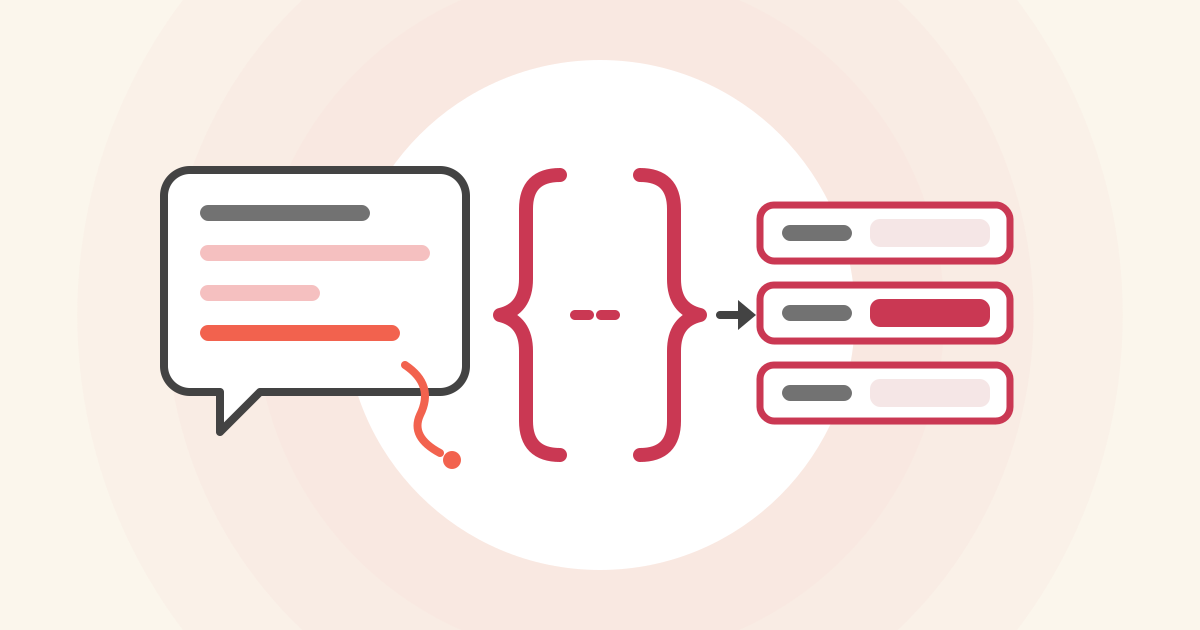
Generative AI Is 90% JSON: Writing Schemas and Descriptions That Remove the Extra Line
Ask AI to "just return X" and it still adds "Anything else?" at the end. When a program consumes AI output, defining the shape with JSON Schema works far better than polishing the prompt. Here is how to write schemas and use description as a per-field prompt, with an inquiry-classification example.
 AI Development
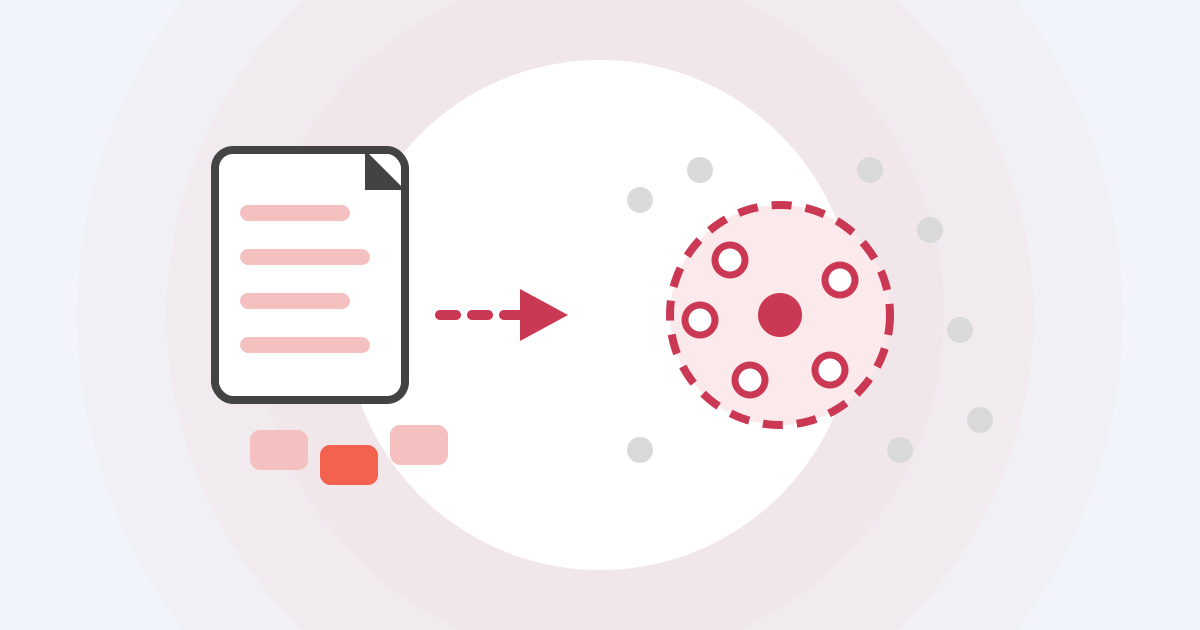
RAG just splits, embeds, and picks the nearest. So you don't need RAG for everything
RAG is the usual answer when you want AI to answer from internal documents. Underneath, it just splits documents, turns them into vectors, and passes the nearest pieces to the AI. Knowing this shows what it does well, what it doesn't, and when to skip it.
 AI Development
Before You Build AI Features Yourself: Let Customers Use Your Service Inside ChatGPT and Claude with MCP
Instead of building AI features into your own product, you can expose your service through an MCP server for use inside ChatGPT and Claude. This guide explains the architecture, LLM cost model, OAuth, directory review, MCP Apps, and the 2026-07-28 specification.
 AI Development
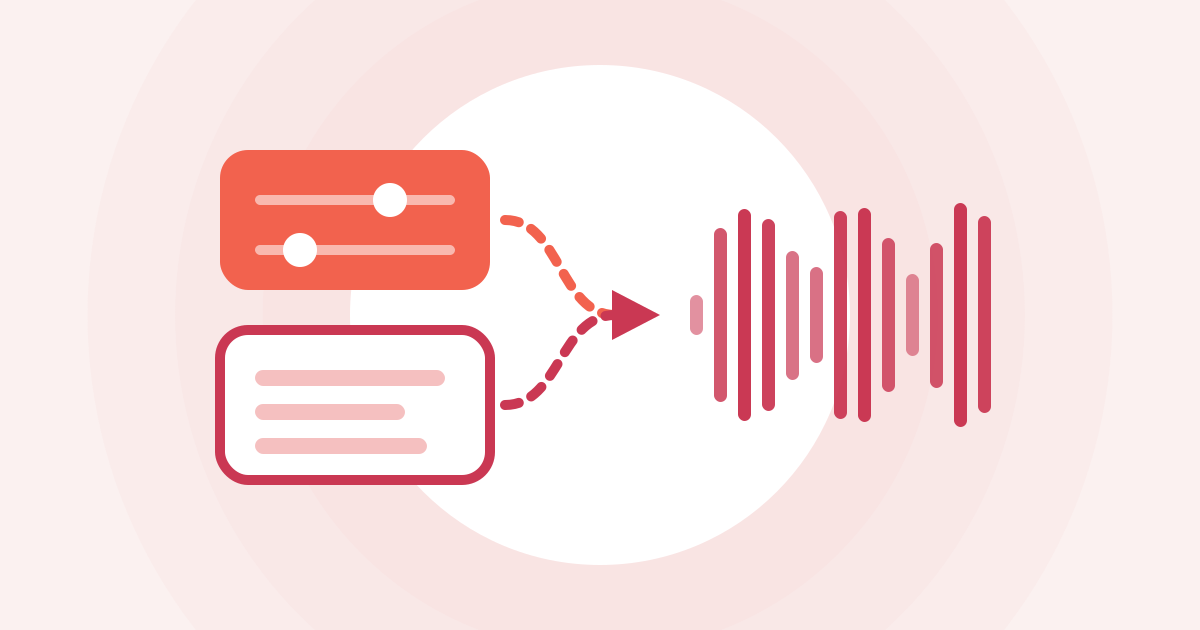
Upgrading Gemini TTS from 3.1 to 3.8: What to Watch Out For
Gemini TTS 3.8 changes how style instructions, audio output, and voice selection work. This article explains the issues we encountered when migrating from 3.1, including instructions being read aloud and WAV header noise, and shows a practical workflow for more stable TTS production.
 AI Development
Why AI That Worked in a Chat Window Fails in Your Product
Generative AI may work well in a chat window yet behave differently after API integration. Using a PDF datasheet extraction example, this article explains three common challenges—output consistency, input scope, and production-scale latency—and practical ways to address them.
 3D
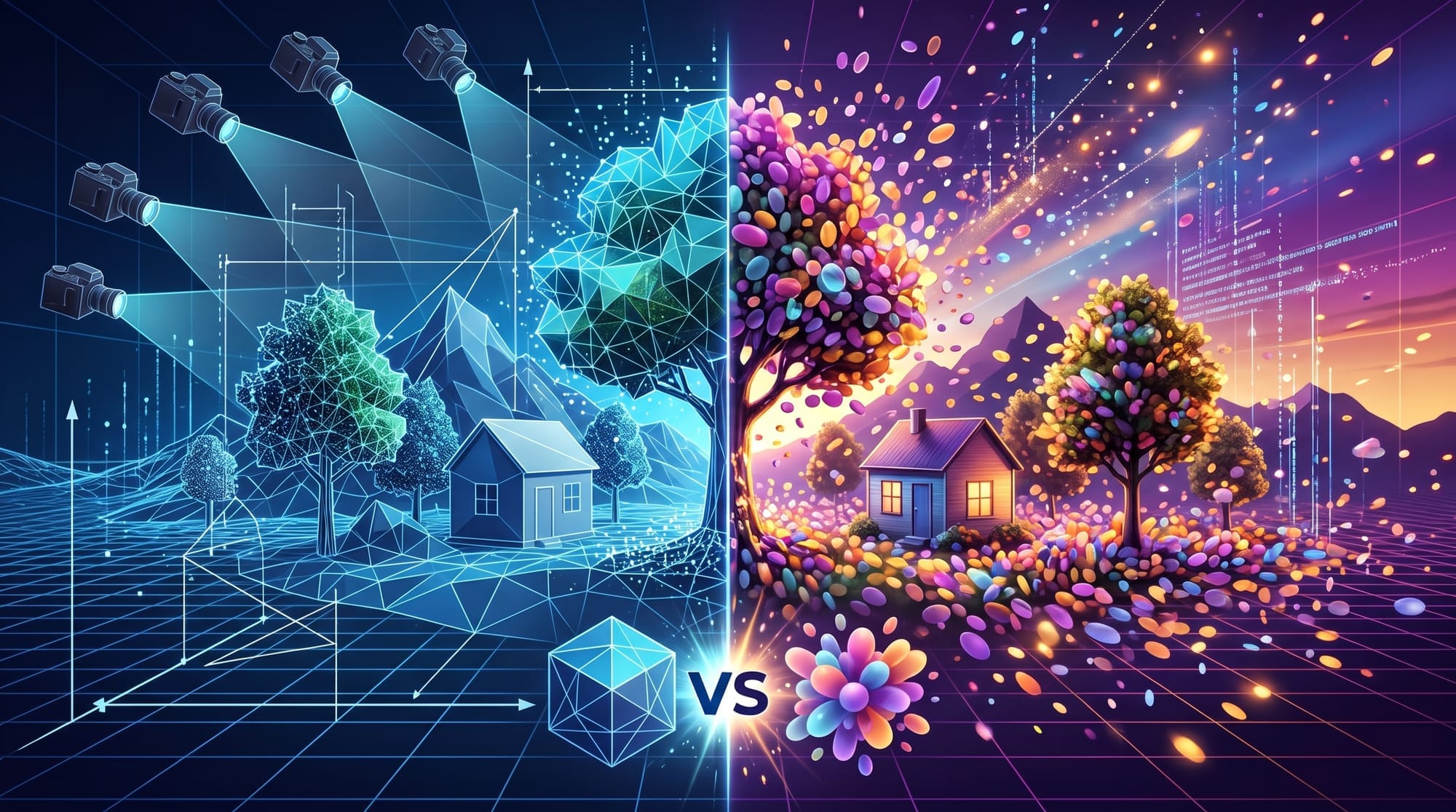
Understanding 3DGS, Part 2: How Is 3DGS Different from Photogrammetry?
3DGS and photogrammetry both reconstruct 3D scenes from multiple photos and share key SfM steps. This article explains where they diverge: photogrammetry continues to MVS, dense point clouds, meshes, and textures, while 3DGS optimizes Gaussians to reproduce photorealistic views.
 3D
Understanding 3DGS, Part 1: How Is 3DGS Different from Traditional 3D Modeling?
3DGS reconstructs real-world scenes with large numbers of Gaussians, while traditional 3D modeling uses meshes, textures, and materials. This article explains how the two approaches differ, where each works best, their limitations, and how 3DGS may change the way real spaces are digitized.
 3D
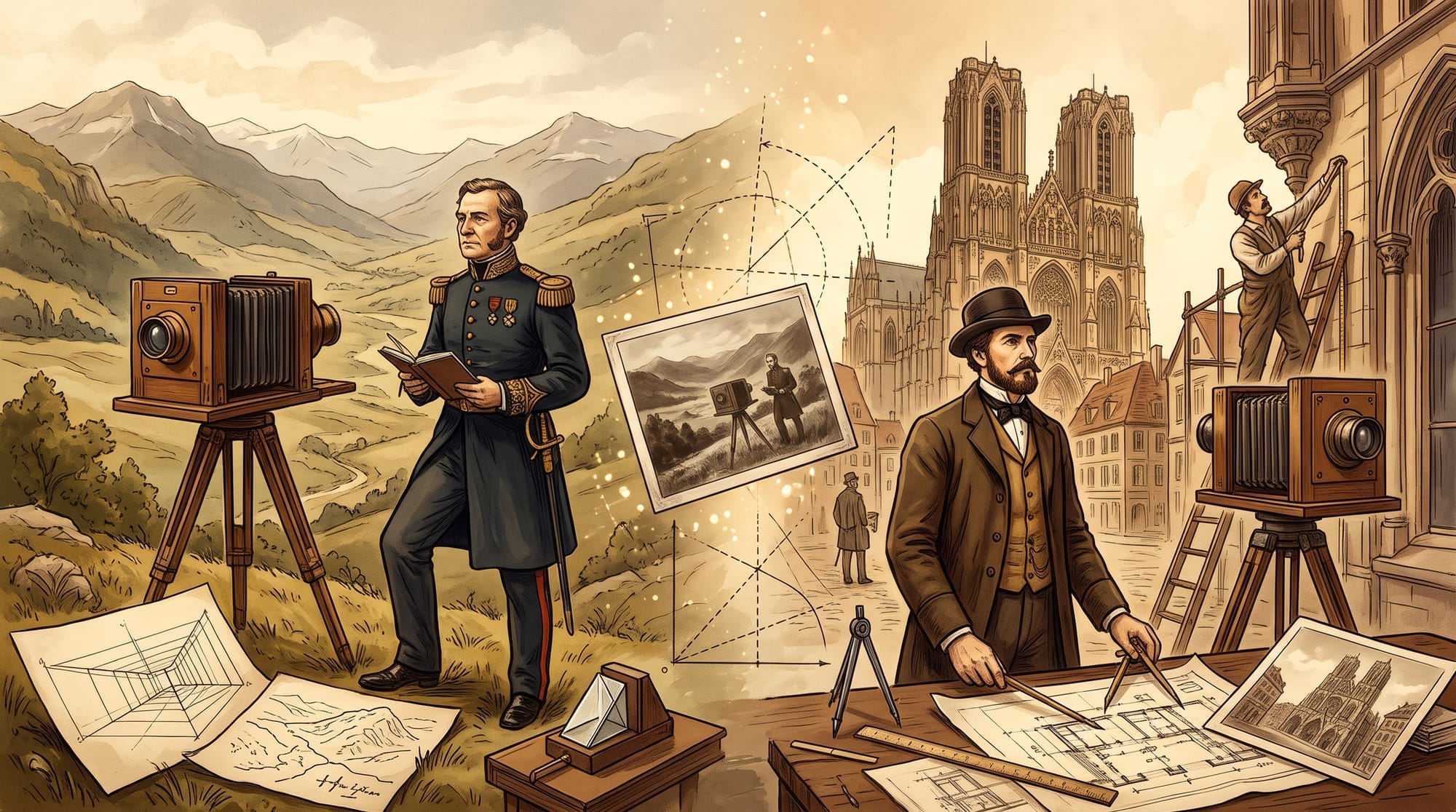
Understanding 3DGS, Part 0: How Do Photos Become 3D? — 170 Years of Trial and Error
How did photos become 3D? This article traces the evolution from 19th-century photogrammetry and stereo vision to SfM, MVS, NeRF, 3D Gaussian Splatting, and 2DGS, explaining how photography evolved from a recording medium into a tool for reconstructing and revisiting real-world spaces.
 AI Development
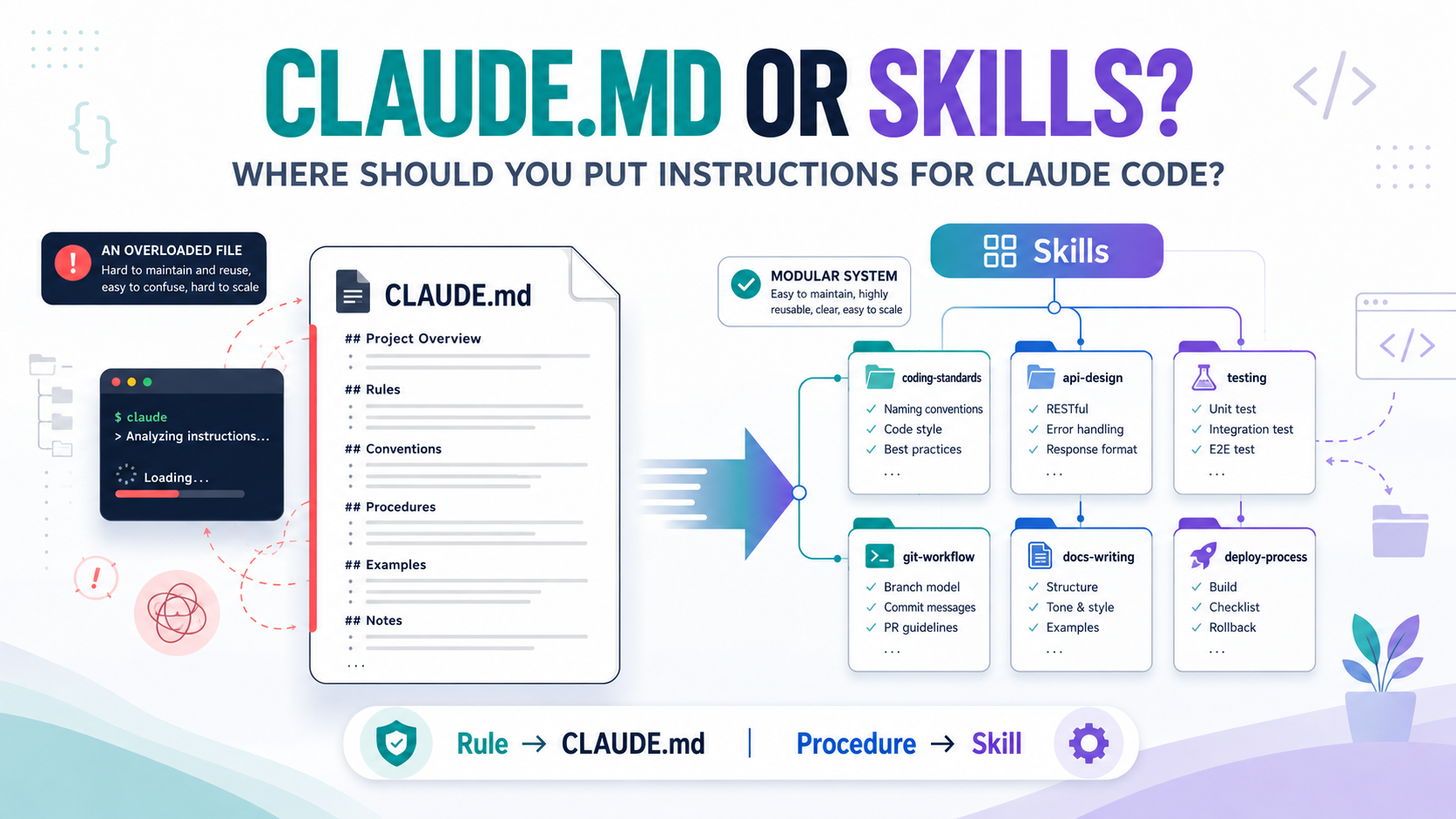
CLAUDE.md vs Skills: Where Should Claude Code Instructions Go?
CLAUDE.md should not store every project instruction. This guide explains when to use CLAUDE.md, Skills, .claude/rules/, and Hooks in Claude Code, with examples and a decision tree for organizing project context, task workflows, scoped rules, and deterministic automation.
 AI Development
Cyc — 40 Years of Trying to Write Common Sense by Hand
Cyc is an AI project launched in 1984 to encode human common sense by hand. This article traces Douglas Lenat’s path from AM and Eurisko to CycL, microtheories, OpenCyc, the contrast with LLMs, and the renewed interest in neuro-symbolic AI.
 AI Development
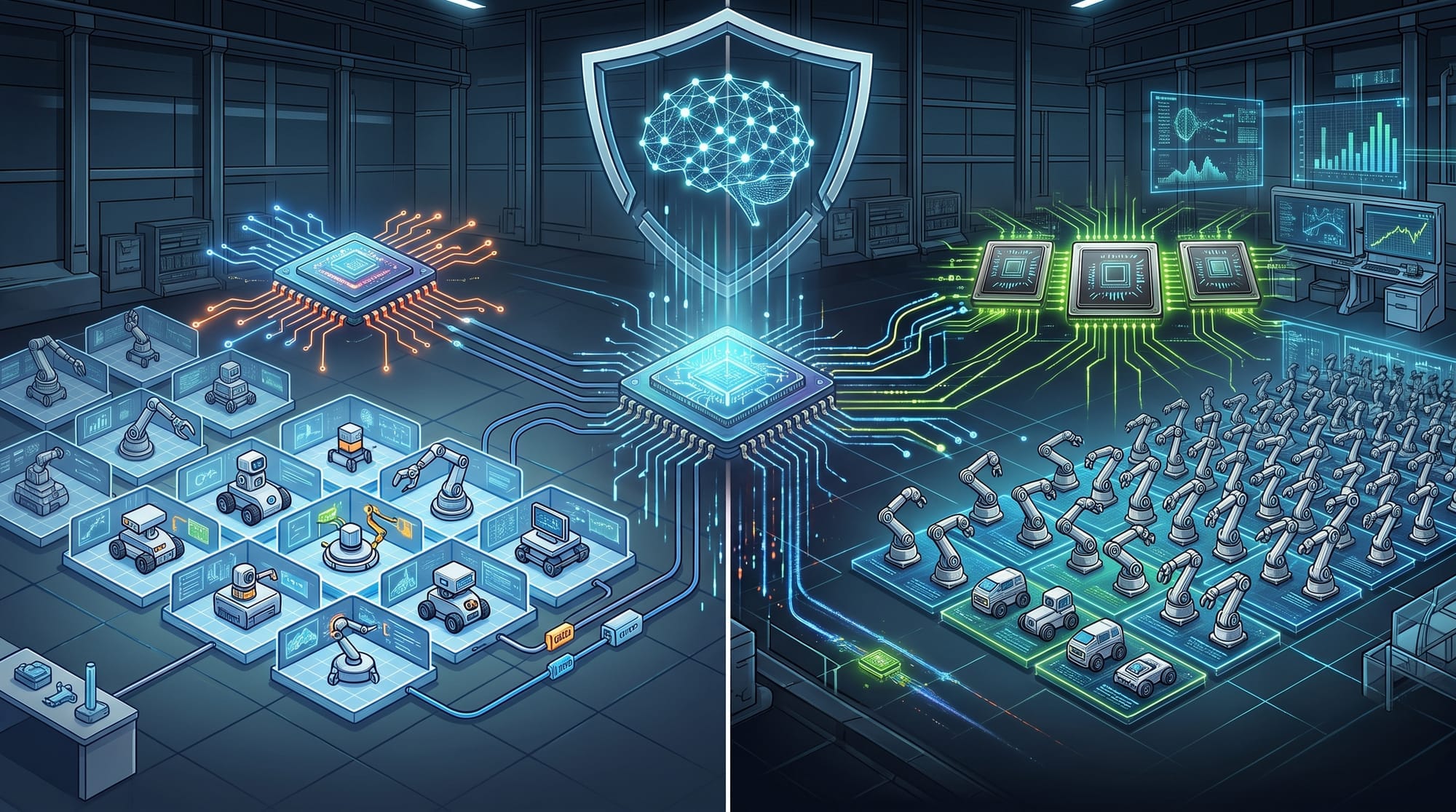
Isaac Sim Is Not Just a Heavyweight Unity — 4 Decisive Reasons to Move Beyond ML-Agents
Isaac Sim and Unity ML-Agents both support reinforcement learning, but differ greatly in architecture and robotics focus. This article compares GPU parallelism, contact physics, domain randomization, sensor simulation, and ROS 2/URDF/USD integration, while showing where Unity still excels.
 AI Development
What Is Reinforcement Learning? What Was Happening Behind That “Extra-Dimensional Fight”?
Using our NVIDIA Isaac Sim robot sumo experiment, this article explains reinforcement learning through state, action, environment, reward, and trial and error. It also shows how RL differs from supervised learning and why the robots discovered lariats, folded arms, and aerial attacks.
