MAL FaceEmotion: Real-Time Facial Emotion Recognition AI
Introducing MAL FaceEmotion, an AI tool that quantifies facial expressions in real-time to visualize human emotions.

Vitalify Asia is a web & mobile app development company. We provide rapid product development and improvement on the DevOps basis with the team committed to providing value to users.
We are also involved in a number of AI development projects.
One of them is MAL FaceEmotion, a facial emotion recognition AI!
MAL FaceEmotion
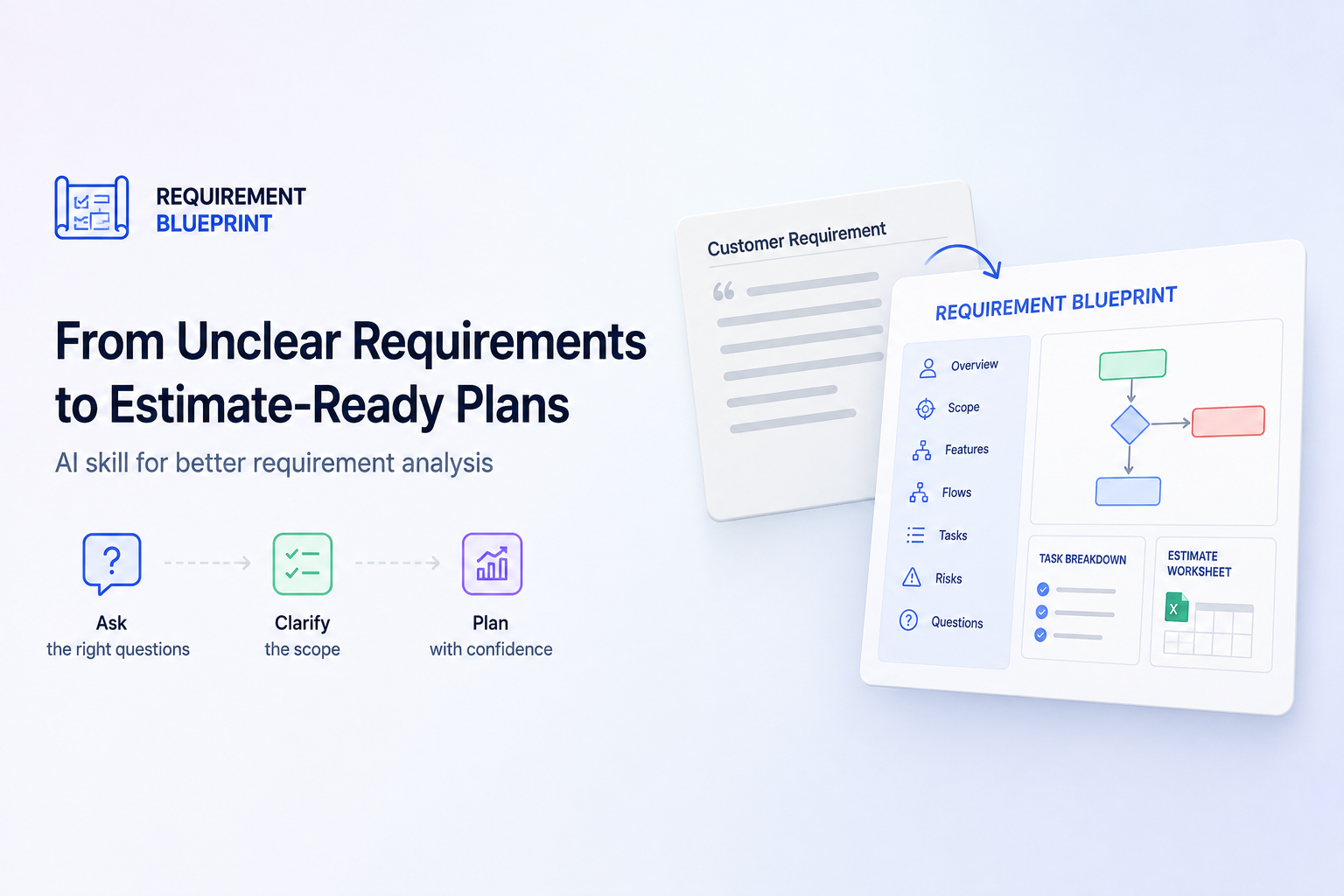
MAL FaceEmotion is a facial emotion recognition AI that analyses and quantifies facial expressions captured by a smartphone or PC camera.
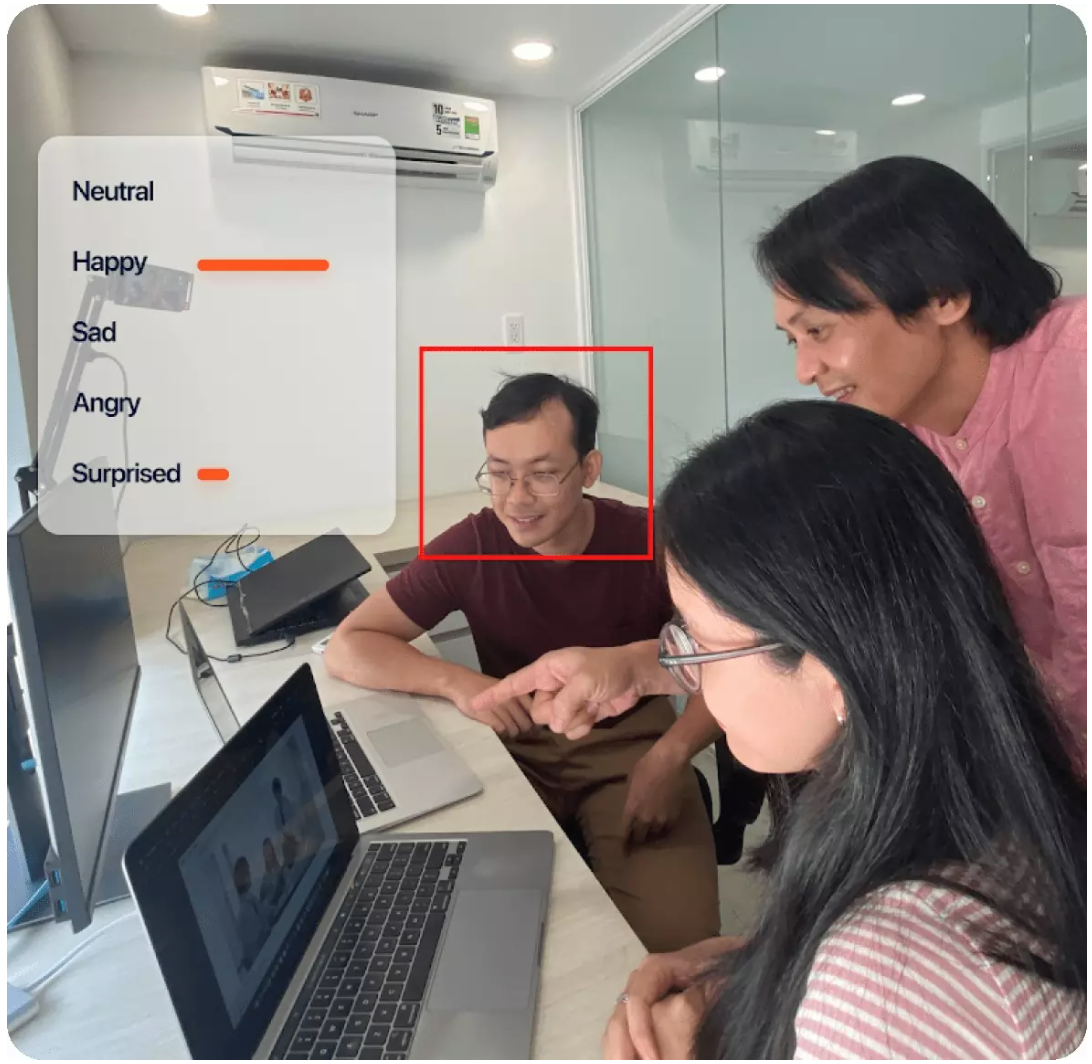
MAL FaceEmotion can quantify facial emotions such as joy, anger, sadness and surprise, and display their fluctuations in a real-time graph to visualize the mood and whether a setting has a positive or negative atmosphere.
Examples of use Visualization of the atmosphere at shops, offices or events. Mental well-being analysis. Facial expression analysis in interviews. Gauging the level of interest of viewers in video content. Student expression analysis in online learning etc.
For more information and demonstration, please visit the following page: https://faceemotion.vitalify.asia
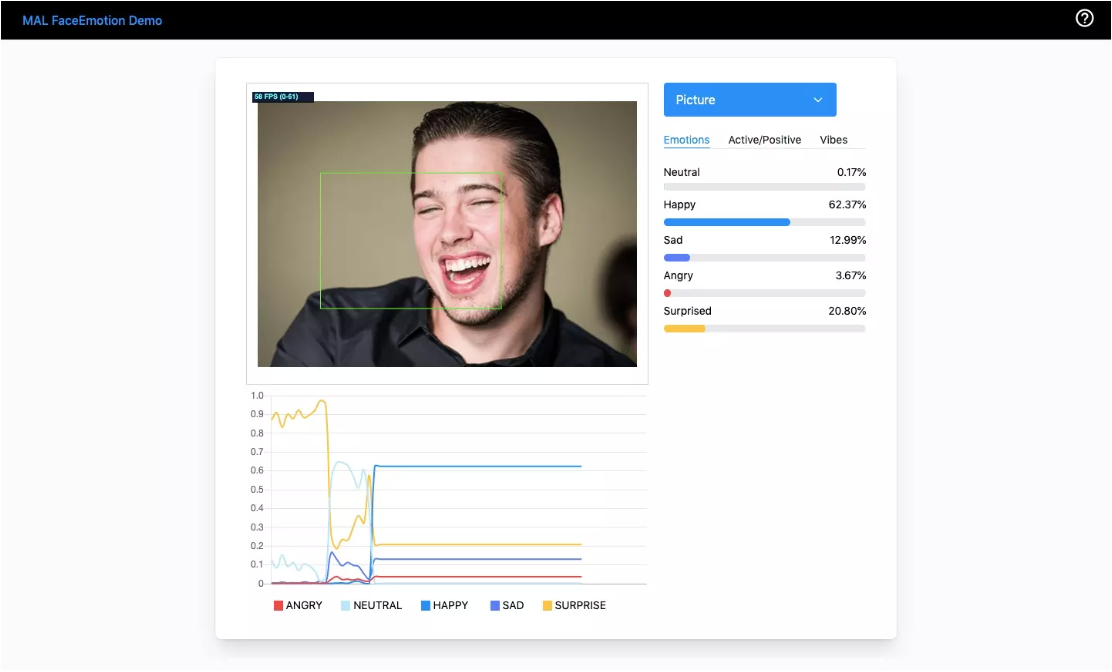
Example of use cases
About Vitalify Asia
Our company is involved in a wide range of projects, not only AI development, but also mobile/web application development. We would be happy to discuss your needs with you.
Struggling to turn ideas into reality? With a proven track record of over 1,000 clients, our agile and flexible team will accelerate your business growth.