Understanding Ingress & LoadBalancer in Kubernetes
An overview of handling network traffic in Kubernetes using LoadBalancer and Ingress Controller concepts.

On this page
Introduction
In the realm of Kubernetes, handling network traffic to services within the cluster can be done using different types of services such as NodePort, LoadBalancer, and Ingress. This article provides an overview of Ingress and Ingress Controller concepts, highlighting their role in handling traffic, and briefly compares them to the Service LoadBalancer.
Ingress
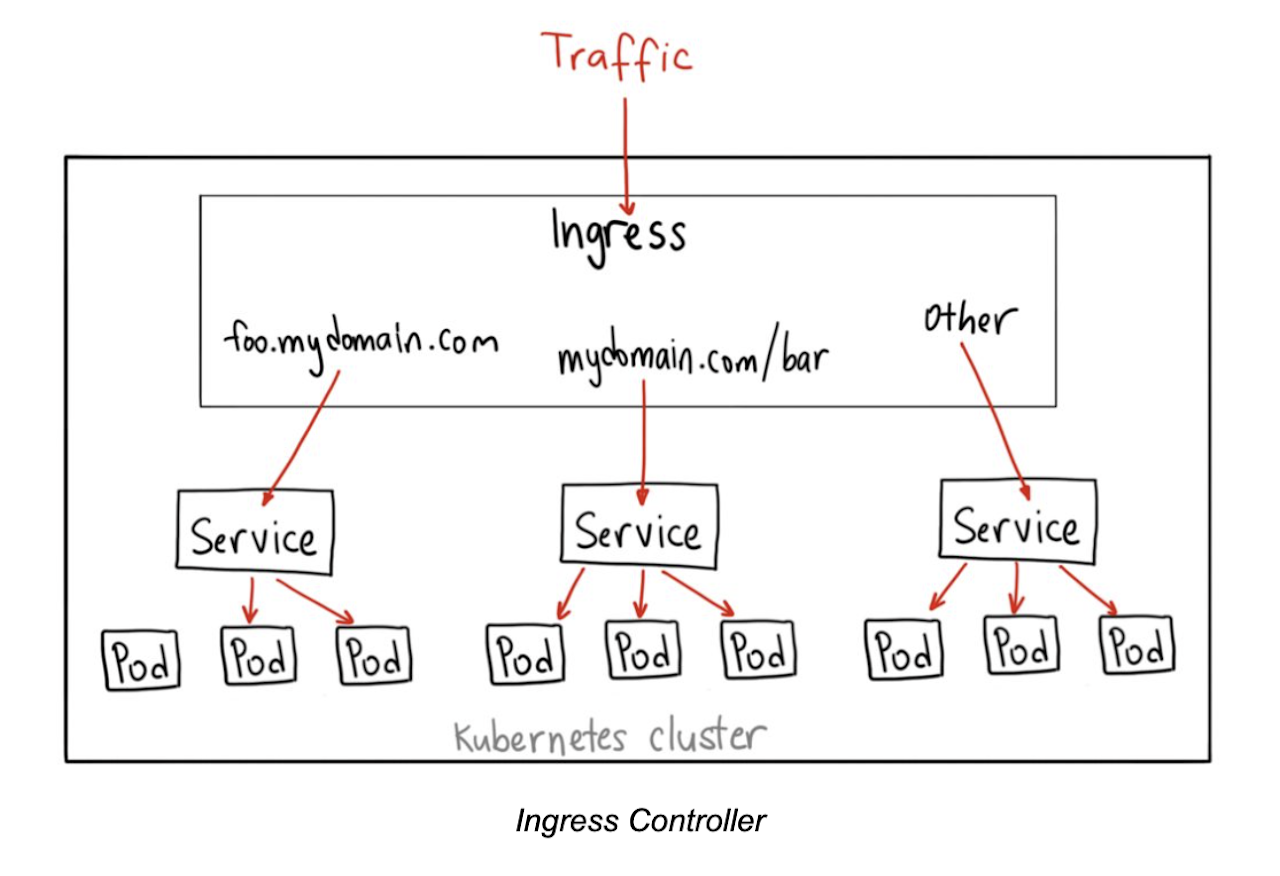
In Kubernetes, an Ingress is an API object that manages external access to services in a cluster, typically HTTP and HTTPS. It provides HTTP routing paths to distribute traffic to the appropriate services based on hostnames or URL paths. Therefore, Ingress allows you to expose multiple services under the same IP address.
Ingress Controller
To actually implement the routing rules set by Ingress objects, a cluster needs an Ingress Controller. It's a daemon that running in the cluster, listening to Ingress updates and realizing them by configuring a load balancer or a server capable of reverse proxy such as Nginx or HAProxy.
LoadBalancer
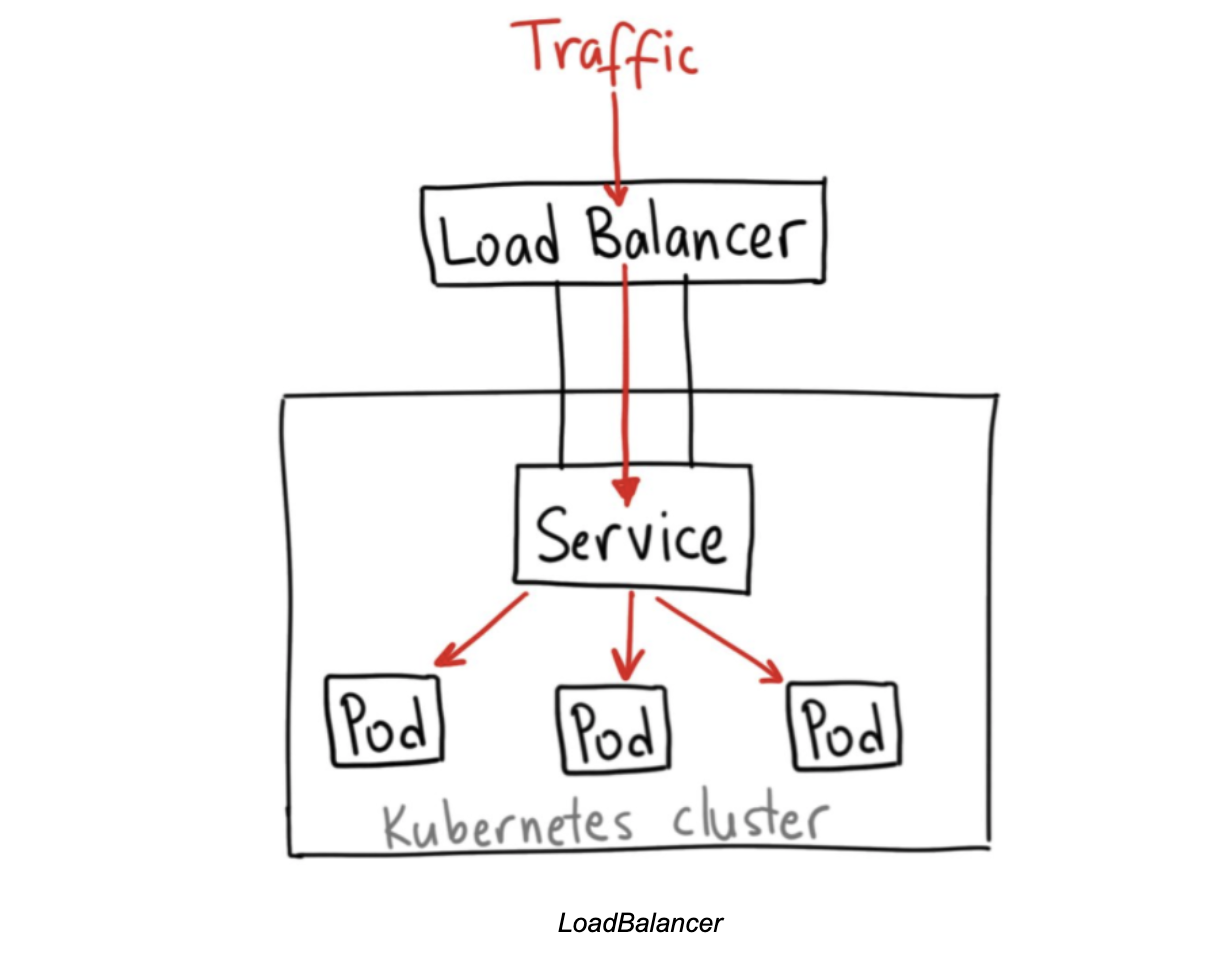
This is a method of exposing service outside the cluster by distributing incoming requests to several pods, where the user only needs to store the LoadBalancer's IP. In comparison to Ingress, a LoadBalancer is specifically integrated with a cloud provider and generally only supports routing traffic to a single service.
Ingress compared with LoadBalancer
- Complexity: Configuring Ingress is more complex compared to LoadBalancer. However, Ingress can manage larger and more complex traffic.
- Cost-Saving: Using a single Ingress Controller often costs less than using multiple LoadBalancers, each of LB which incurs a cost.
- Manageability: With Ingress, you can manage all traffic from one place, including more complex rules such as hostname or path-based routing, which is a challenge for LoadBalancers.
- Environment: If you are not using a cloud-based environment, Ingress usage is more flexible as LoadBalancers typically need to be natively integrated with a cloud provider.
- SSL/TLS Offloading: Ingress offers SSL/TLS termination, which could save computing resources for services handling SSL/TLS connections.
By understanding these core differences, you can better design your Kubernetes network configurations and ensure cost-saving and effective routing of connections to your services.
Reference
https://kubernetes.io/docs/concepts/services-networking/ingress/
https://cloud.google.com/kubernetes-engine/docs/concepts/ingress
https://docs.nginx.com/nginx-ingress-controller/intro/how-nginx-ingress-controller-works/
Struggling to turn ideas into reality? With a proven track record of over 1,000 clients, our agile and flexible team will accelerate your business growth.